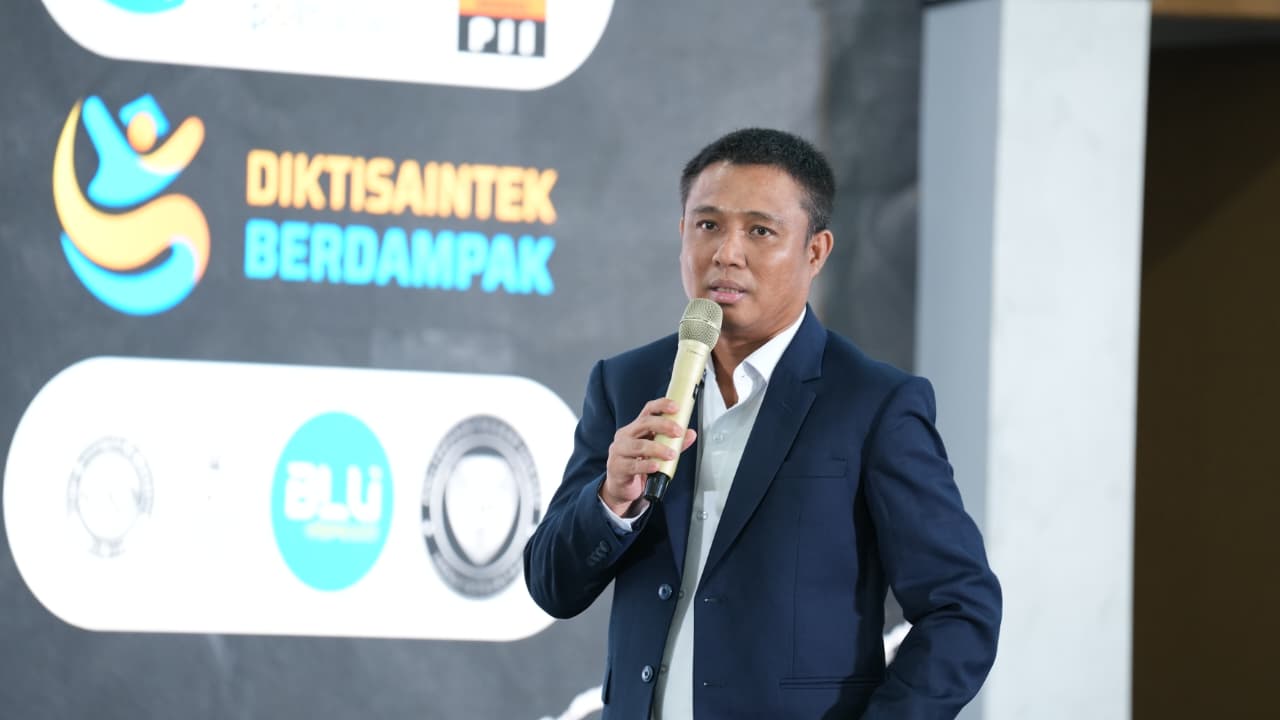
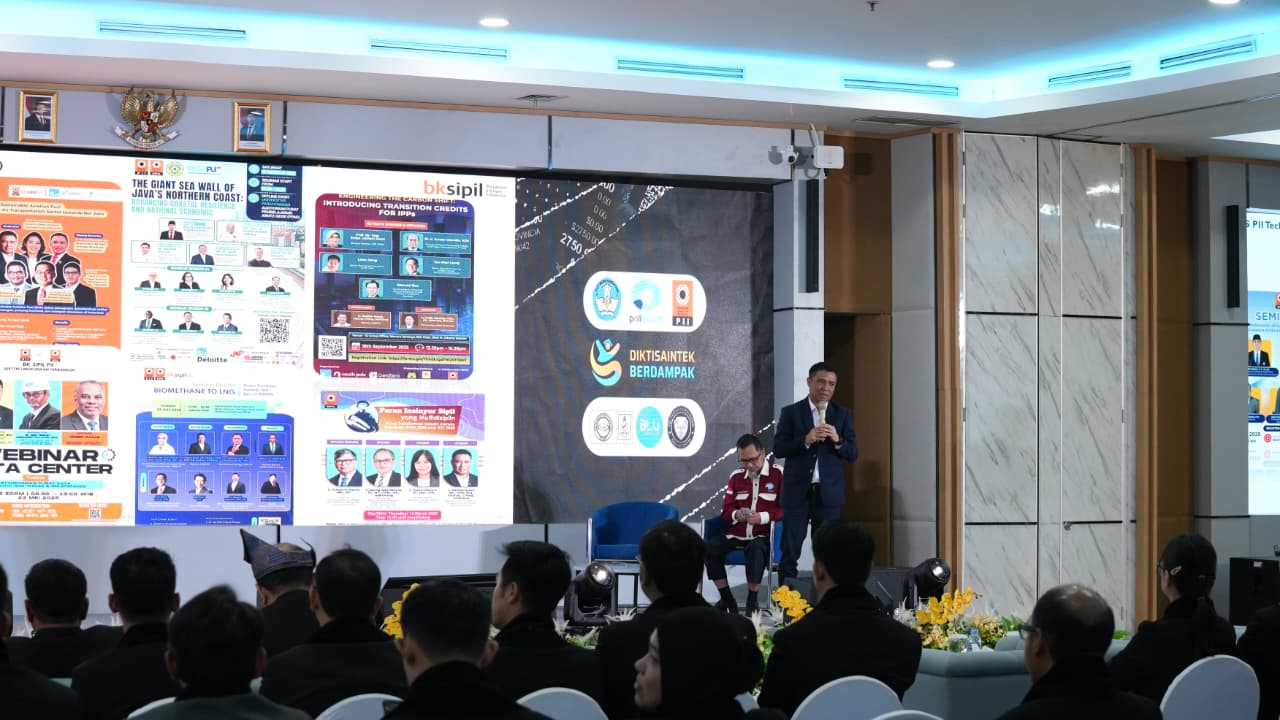
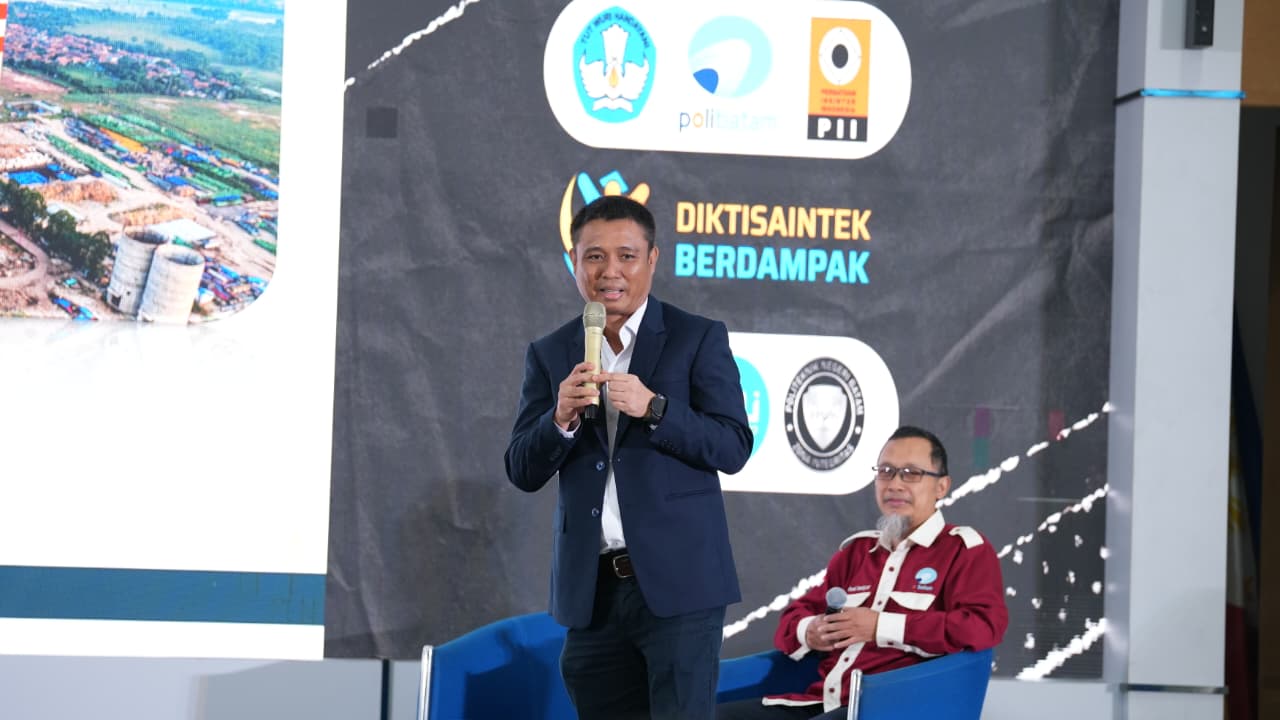
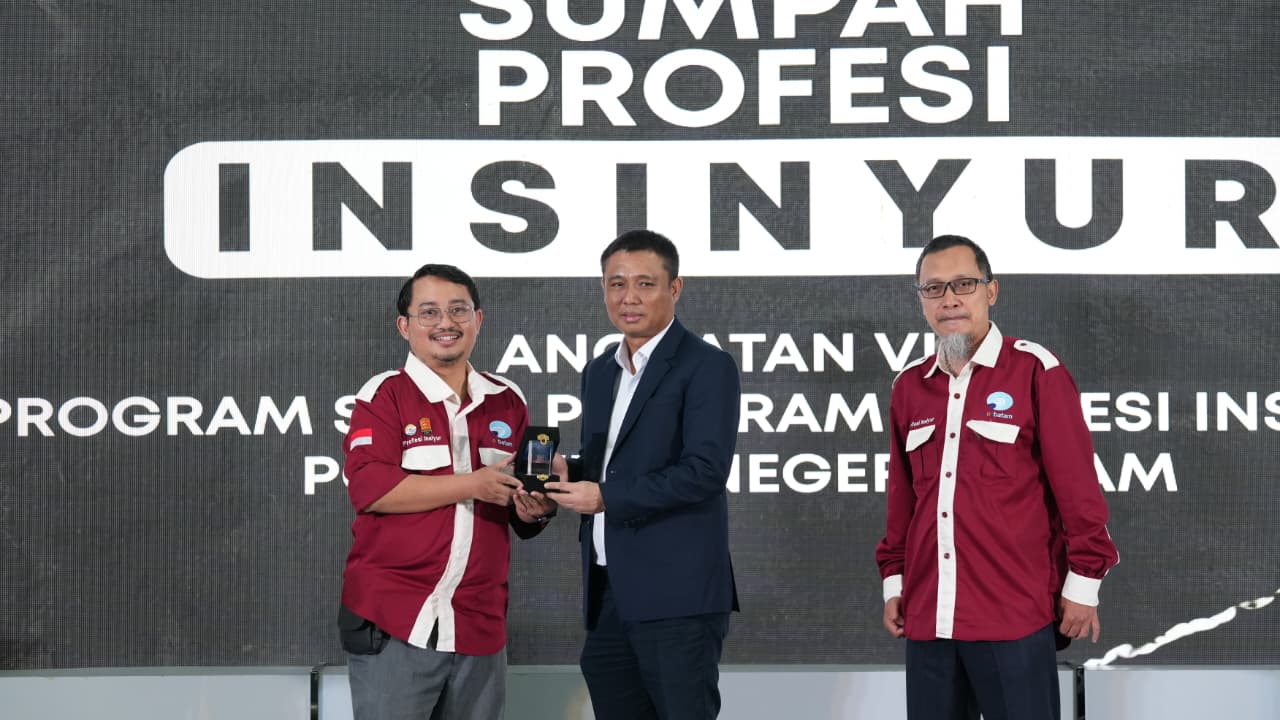
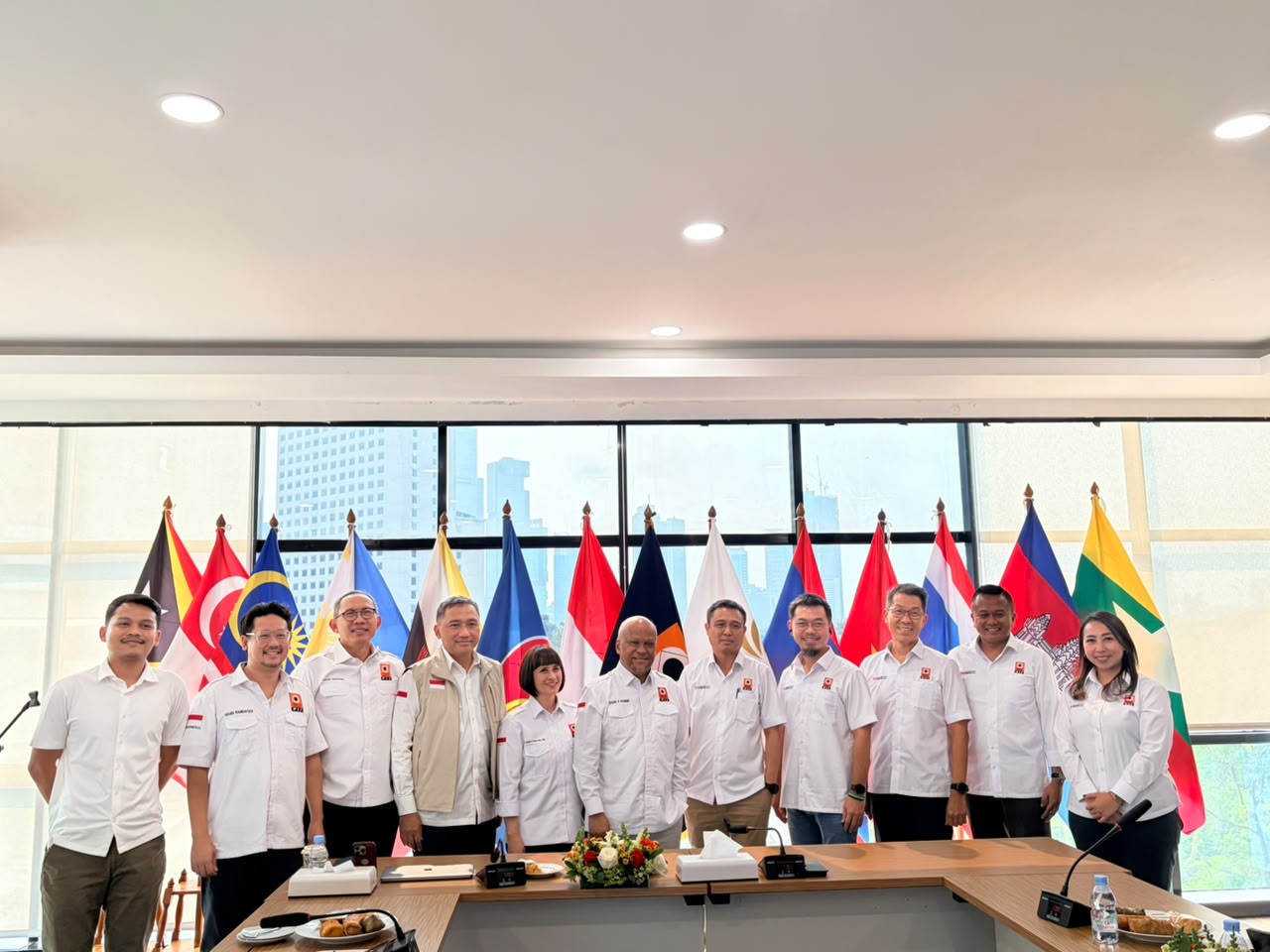
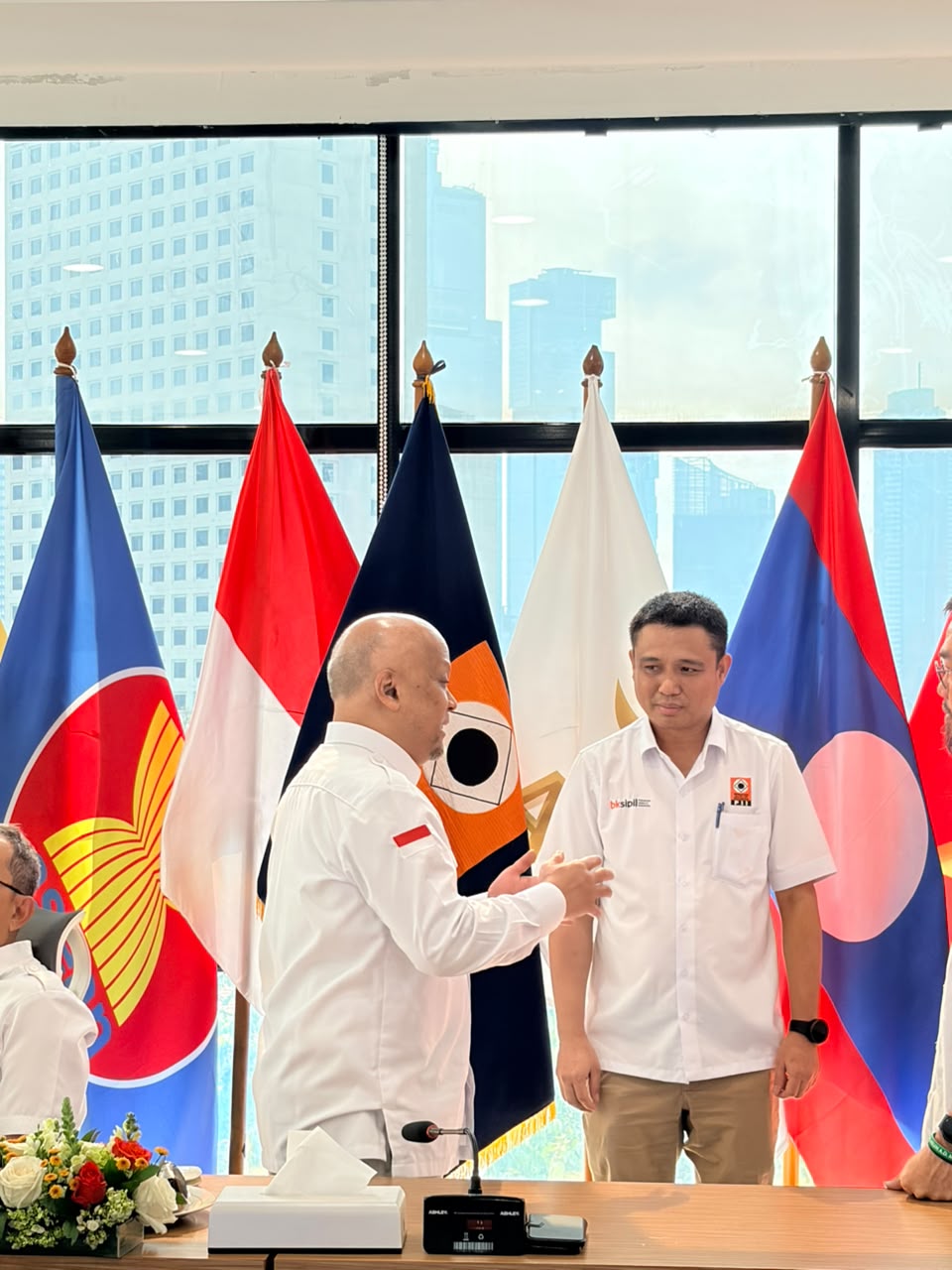
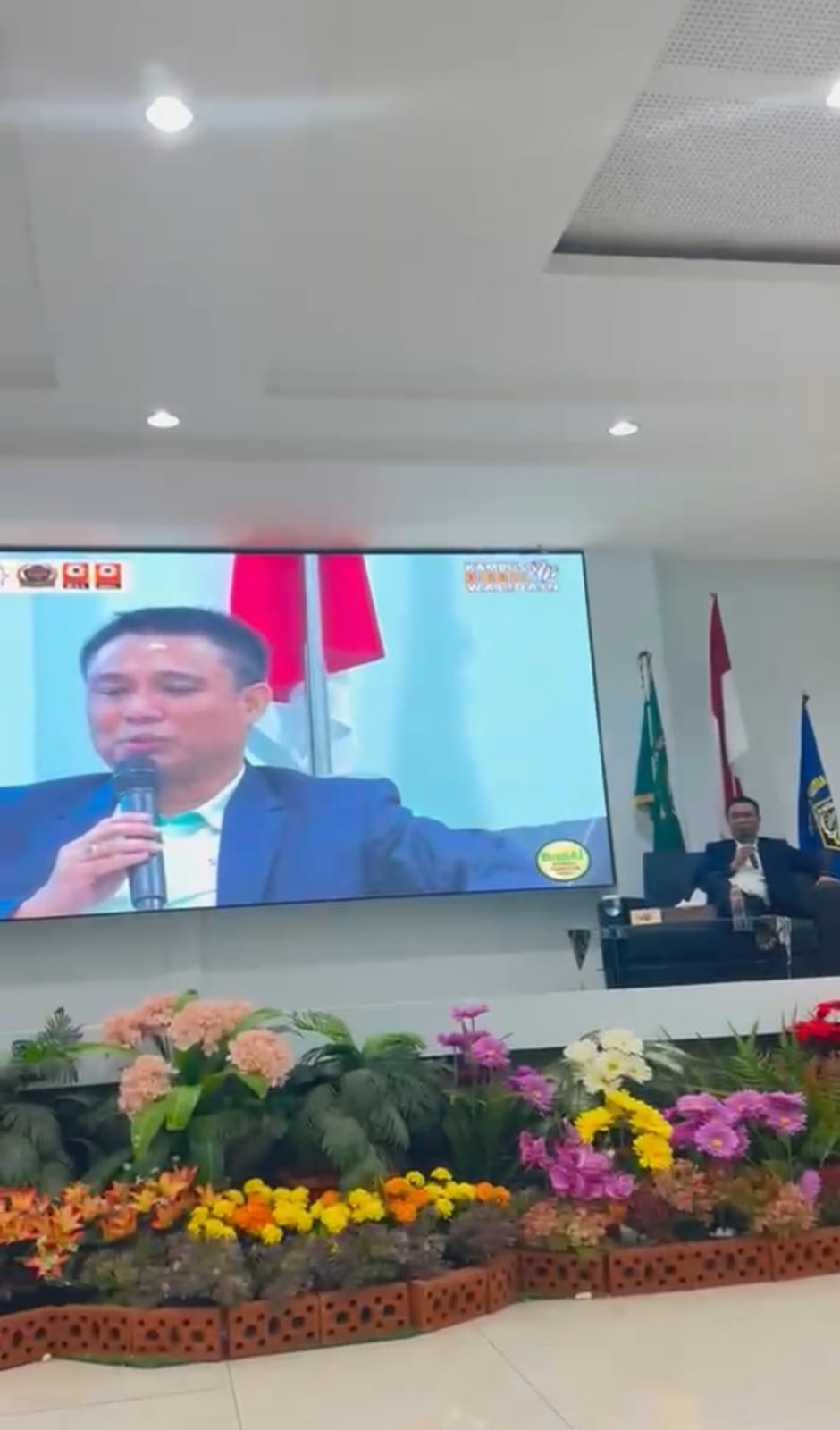
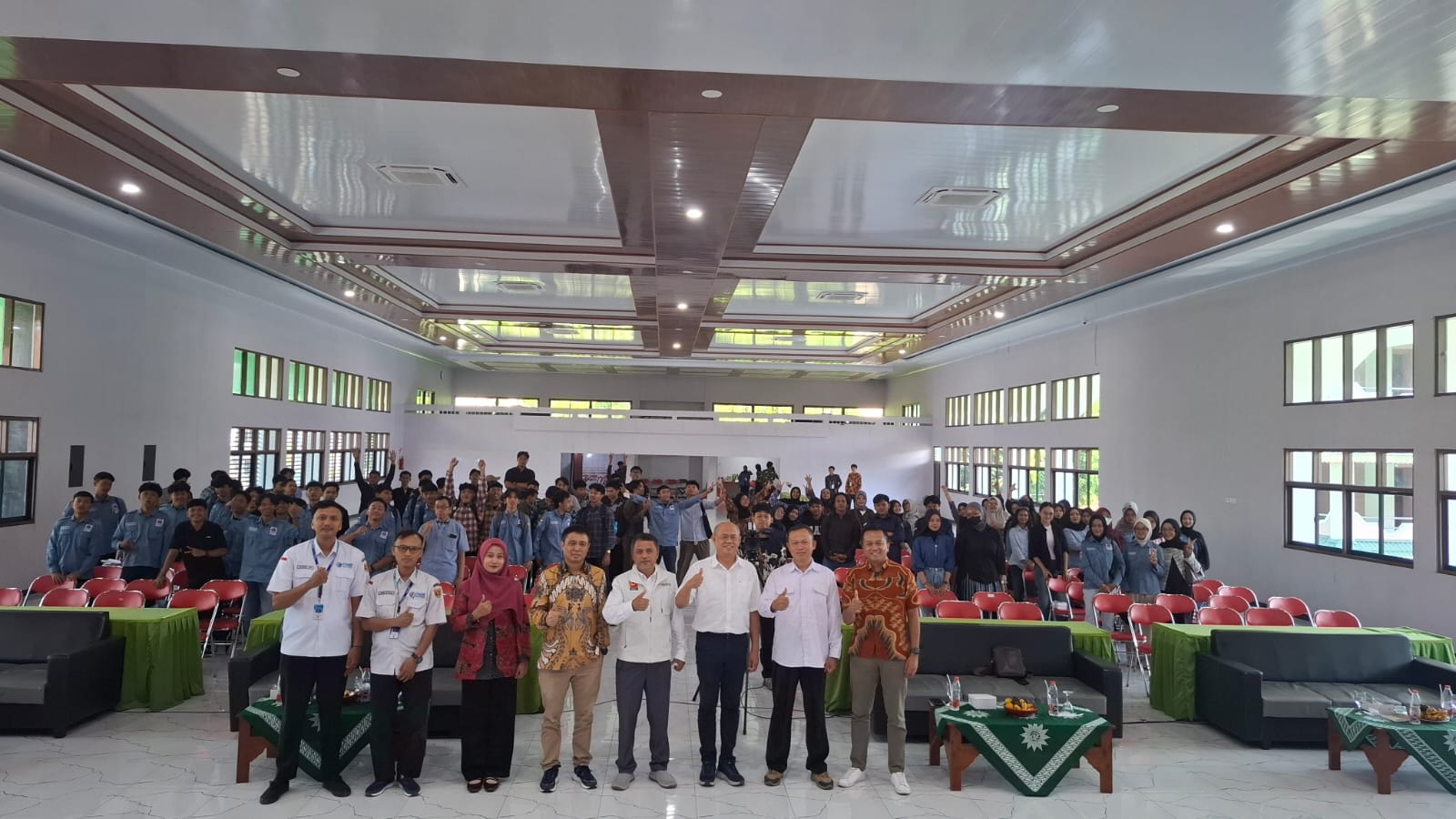
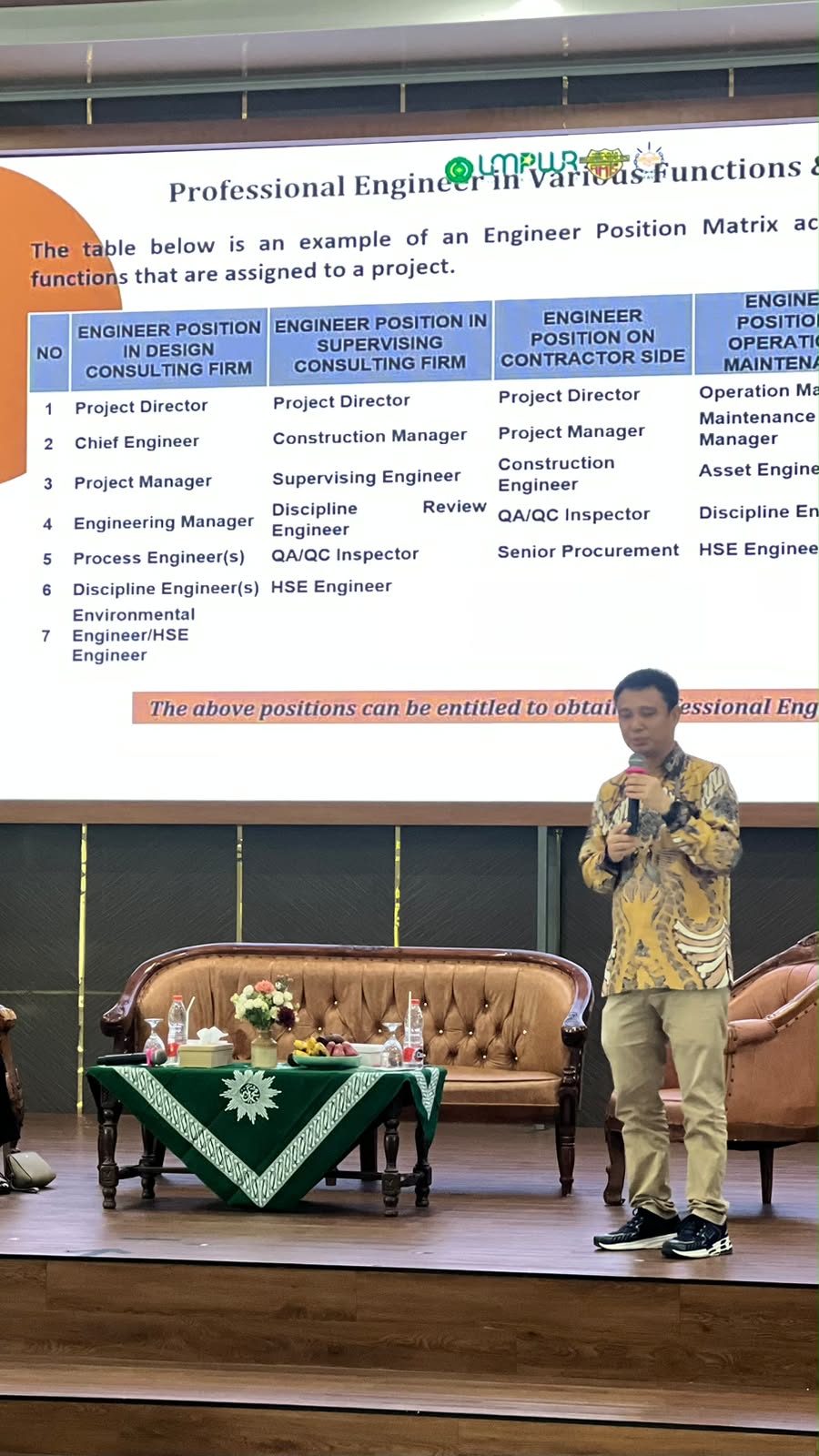
Ir. Habibie Razak dalam sesi kuliah keinsinyuran dan penyumpahan lulusan Insinyur Program Profesi Insinyur Politeknik Negeri Batam (09 September 2026) dengan tema besar “Peran Strategis Insinyur dalam Mengakselerasi Investasi dan Pembangunan Infrastruktur Berkelanjutan Menuju Batam sebagai Hub Industri, Digital dan Logistik Berkelas Dunia”.
Ir. Habibie yang saat ini adalah Ketua Badan Kejuruan Sipil Persatuan Insinyur Indonesia (BKS PII) memberikan overview sektor energi dan data center yang saat ini lagi booming investasinya di Batam, Sumatera dan Indonesia pada umumnya. “Ada beberapa proyek strategis nasional bahkan sampai ke skala regional ASEAN di mana insinyur Indonesia bisa berkontribusi signifikan antara lain: Indonesia Super Grid and ASEAN Power Grid, Geothermal opportunities in Sumatera, Floating Solar PV (PLTS Terapung), Data Centre, Waste to Energy, Hilirisasi Mineral dan Dekarbonisasi sektor pertambangan dan banyak lagi. Pertanyaannya adalah apakah kita sudah future-ready? Apakah insinyur kita sudah memiliki relevant competency and experience untuk bisa memberikan nilai tambah di proyek-proyek keinsinyuran yang disebutkan di atas?” papar Habibie.
Badan Kejuruan Sipil PII (BKS PII) memiliki misi untuk menyiapkan future-ready engineer untuk bisa berkarya dan berpraktik keinsinyuran bukan hanya di skala domestik tapi juga global. Penguasaan teknologi konstruksi seperti Building Information Modeling (BIM) menjadi sangat relevant yang kemudian memberikan kemudahan untuk para Insinyur kita bekerja lebih cepat, akurat, dan lebih berkualitas lagi outputnya.
Ir. Habibie juga memberikan informasi bagaimana proyek data centre saat ini menjadi primadona di Indonesia dan ASEAN. Sebagai contoh, Insinyur di Malaysia yang masuk sektor DC ini menurut informasi teman-teman IEM, mereka dibayar 40 persen lebih besar dari sektor-sektor lainnya. Pertanyaannya, apakah Insinyur Indonesia juga sudah memiliki kompetensi dan pengalaman yang diharapkan untuk terjun di sektor ini?
Kuliah keinsinyuran ini dimoderasi oleh Ir. Didi Istardi, S.T., MSc., IPM. dan dihadiri setidaknya 100 mahasiswa PSPPI Poltek Negeri Batam berserta undangan baik secara daring maupun luring. Hadir Direktur Poltek Negeri Batam Ir. Bambang Hendrawan, ST., MSM, Ir. Oktavianto Gustin, MT., IPM (Kaprodi PPI) dan civitas akademika lainnya.
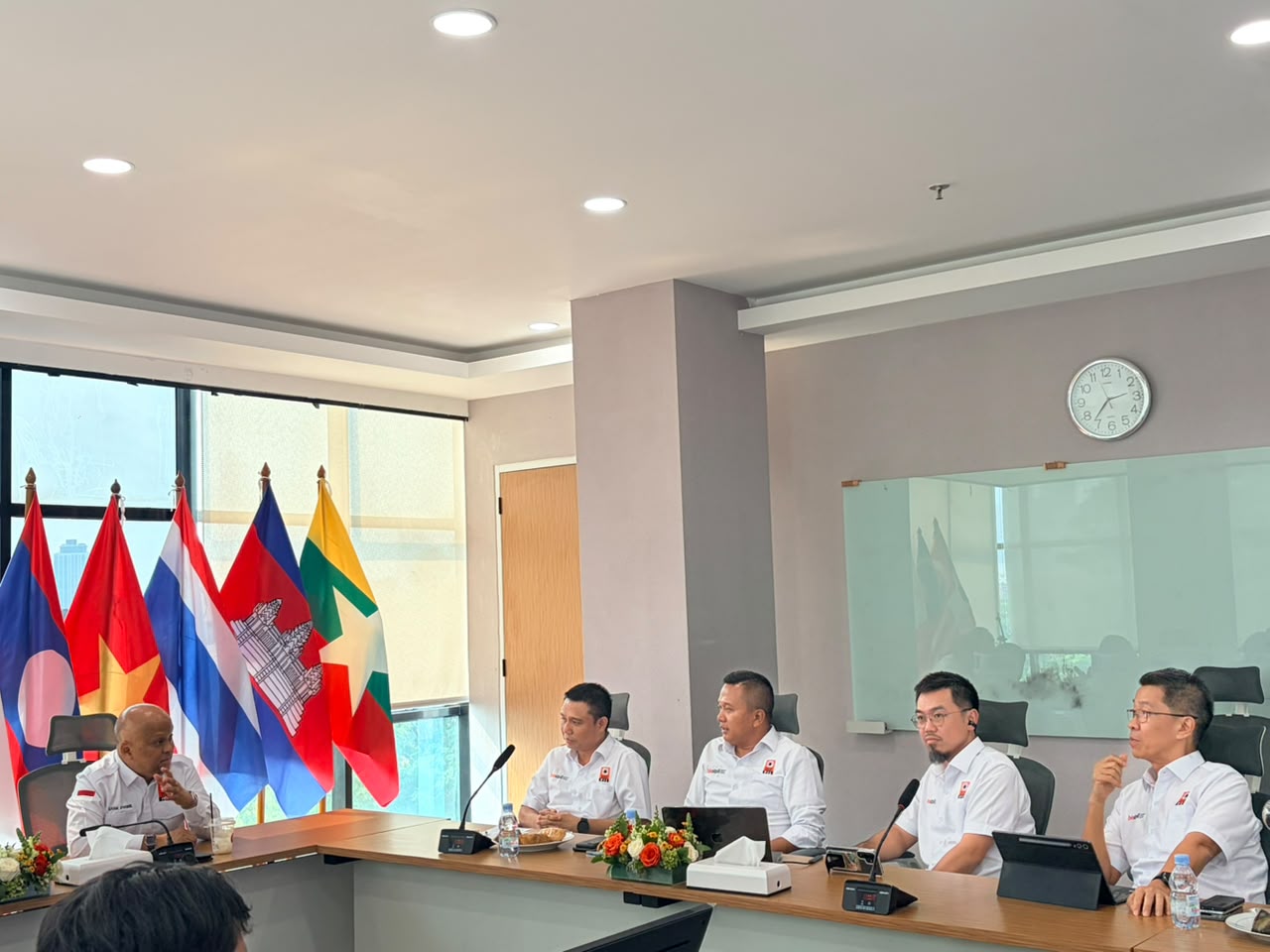
BK Sipil melaporkan model kepengurusan BK Sipil yang terdiri dari sektor-sektor (energi, transport, water and environment dan built environment) sementara spesialisasi ketekniksipilan tetap dijaga dan unit pelayanan mengurusi sertifikasi dan program CPD.
Ketua BK Sipil dan tim juga memaparkan kegiatan organisasi 1 tahun terakhir yang terdiri technical visit, seminar and webinar, workshop yang tidak lain adalah penyiapan future ready engineer untuk bisa berkontribusi signifikan pada pembangunan nasional.
Pesan Bapak Ilham Habibie kepada Pengurus BK Sipil agar kegiatan pengembangan kompetensi keinsinyuran di sektor nuklir (seperti kajian terkait small modular reactor (SMR) technology, green data centre, subsea cable development di samping kegiatan CPD seperti PLTS Terapung, Green Building, Airport development hingga ke Indonesia Bagian Timur terus dikembangkan dan disuarakan untuk mendapatkan perhatian stakeholders dan harapannya bisa menghadirkan lebih banyak lagi Insinyur kita yang berkiprah di sektor-sektor ini.
Sesi audiensi ini juga sekaligus menyampaikan kegiatan BK Sipil yang membutuhkan continuous support dari pengurus PII Pusat salah satunya adalah kegiatan Integrated Sustainable Coastal Development Seminar yang akan diselenggarakan di Bandung, 29 Agustus ini.
“Kami dari BK Sipil mengharapkan kehadiran Bapak Ketum PII untuk memberikan opening speech pasa kegiatan seminar di Bandung nanti” pinta Habibie Razak, Ketua BK Sipil periode 2025 – 2028 ini.
Hari ini, Pengurus BK Sipil PII kembali menggelar roadshow ke daerah untuk memenuhi aspirasi para anggotanya sebagai bagian dari pengembangan keprofesionalan berkelanjutan para Insinyur Indonesia.
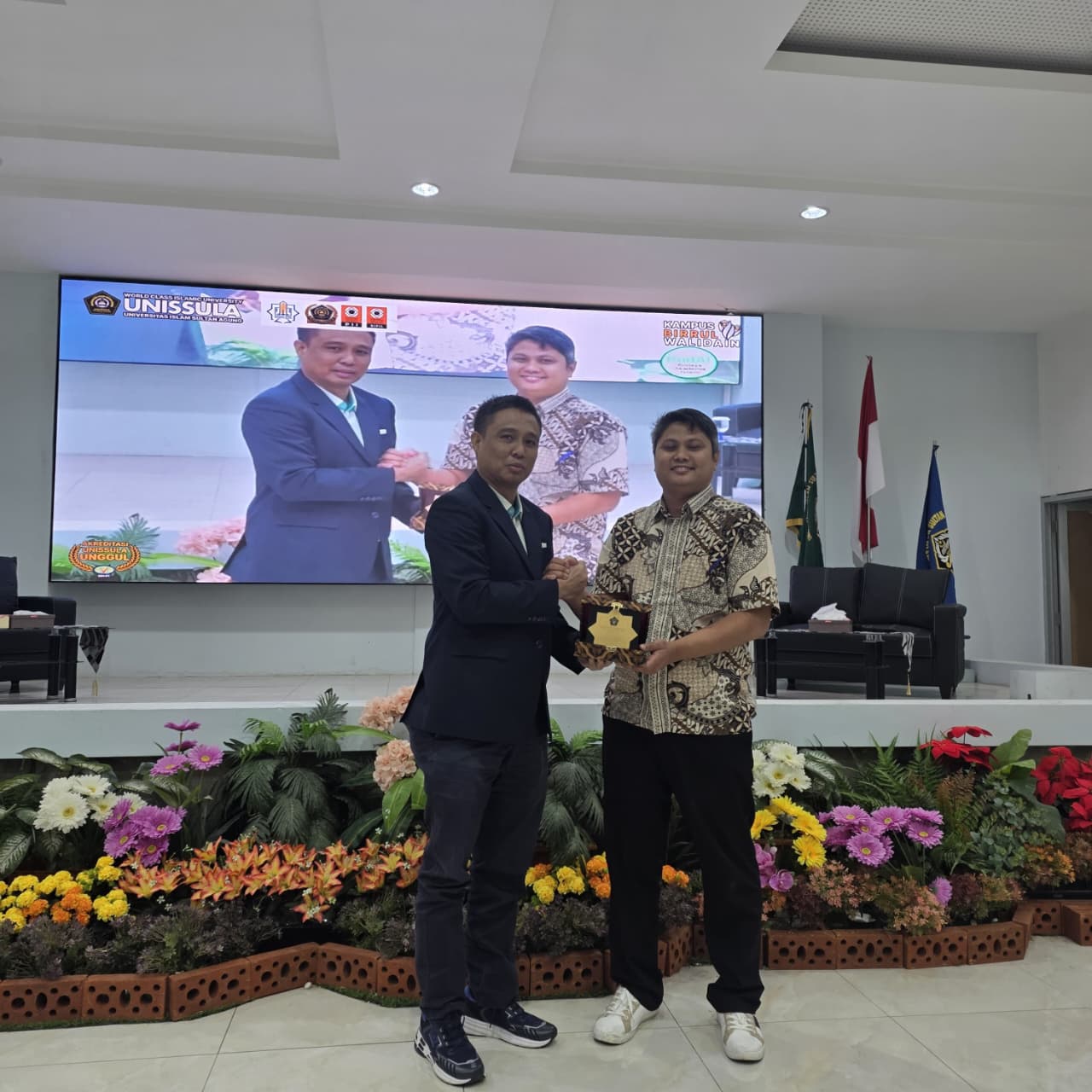
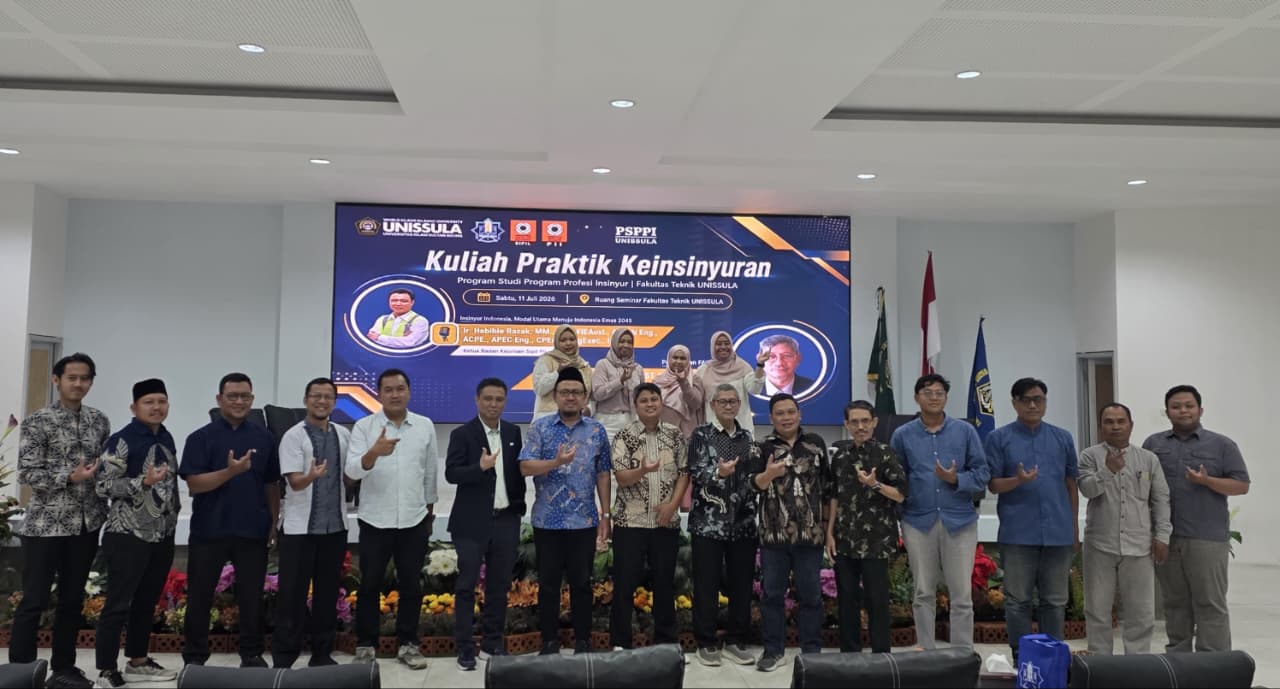
Tema sentral “Insinyur Indonesia untuk mewujudkan Indonesia Emas 2045” di sesi Kuliah Keinsinyuran Program Profesi Insinyur Universitas Sultan Agung (UNISSULA) Semarang dibawakan oleh Ketua BK Sipil PII Ir. Habibie Razak, FIEAust., EngExec., IntPE(Aus) dilanjutkan sesi workshop tata cara pengisian FAIP oleh Ir. Wahyu Hendrastomo.
Ir. Habibie dalam paparannya memberikan insightnya bagaimana peran Insinyur Indonesia dalam cita-cita mewujudkan Golden Indonesia 2045. His presentation stressed that engineers will play a critical role in achieving Indonesia’s long-term national goals, particularly: 1.Indonesia Emas 2045 2.Making Indonesia 4.0 by 2030 3.Net Zero Emissions (NZE) by 2060.
The key message is that Indonesia needs a large number of future-ready professional engineers who combine technical expertise, ethics, sustainability awareness, digital capabilities, and leadership. Professional certification, continuing professional development (CPD), and international recognition are presented as essential mechanisms to ensure engineering quality, public safety, and global competitiveness.
Engineers Are Strategic Enablers of National Development The presentation positions engineers as key contributors to Indonesia’s transformation into one of the world’s largest economies. Important priorities should include: •Industrial downstreaming (hilirisasi) •Sustainable infrastructure •Energy transition and decarbonization •AI and digital economy development •Semiconductor and manufacturing development •Smart cities and IKN development
PII (Persatuan Insinyur Indonesia) is tasked with developing engineering talent through education accreditation, engineering certification, professional licensing (STRI), and continuing professional development.
Professional Engineering Is About Public Safety and Accountability
A major theme is that engineering mistakes can have severe consequences. The presentation uses examples such as: •Quebec Bridge collapse (1907) •Massachusetts gas pipeline explosion (2018) These cases demonstrate that: •Engineering work affects public safety. •Ethical failures can lead to disasters. •Professional licensing and accountability are essential. The core philosophy presented is: Ethics + Knowledge + Experience = Professional Engineering Practice.
Importance of Professional Engineers (PE) The presentation distinguishes between: Graduate Engineer •Can work in engineering. •Requires supervision. •Cannot independently assume legal responsibility. While Engineer-in-Training •Transitional stage after graduation. •Builds practical experience. And Professional Engineer (IPM/IPU) •Can practice independently. •Can certify and stamp engineering documents. •Holds legal and professional responsibility. •Generally receives higher compensation due to accountability.
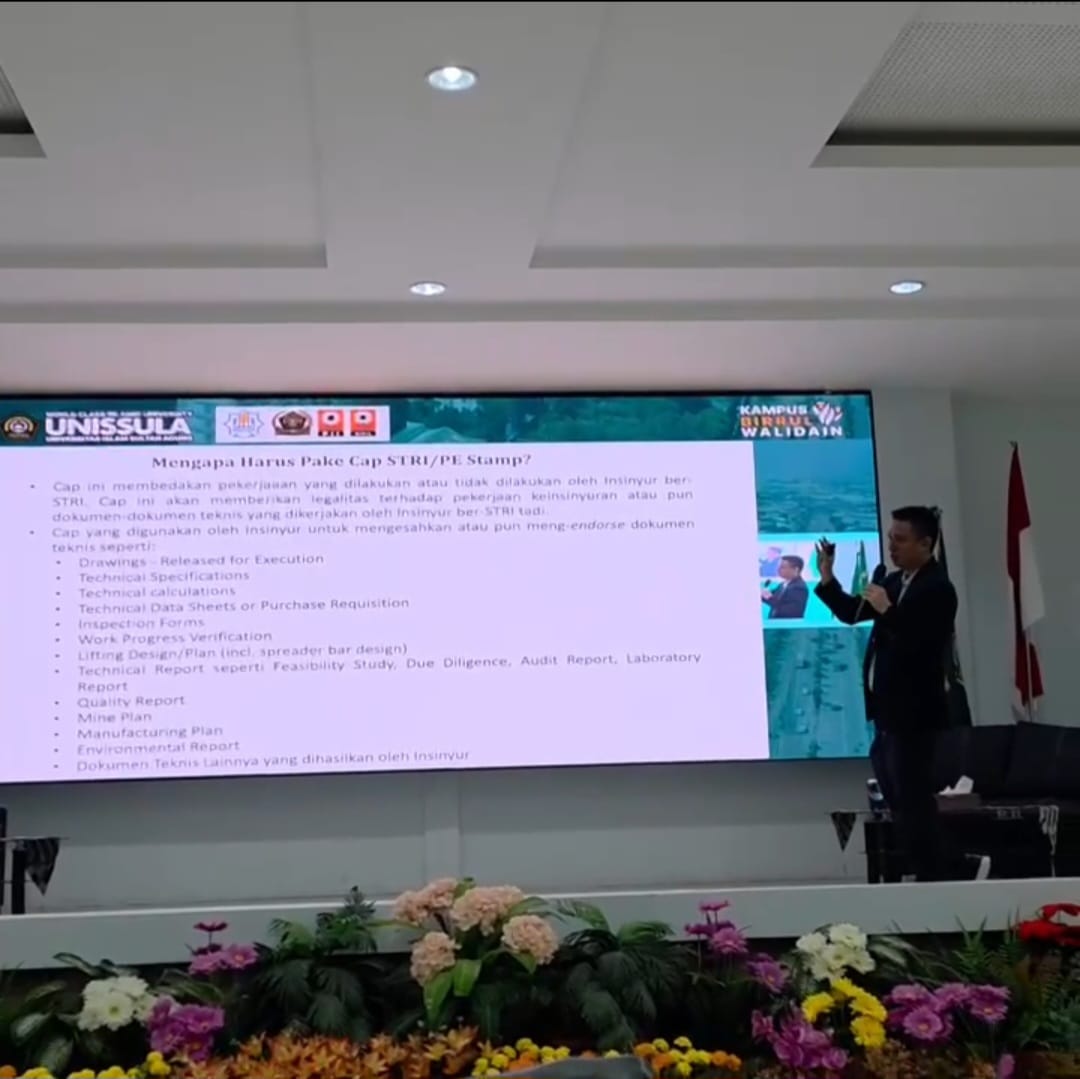
The PE stamp (STRI) serves as a formal validation of technical documents and engineering accountability.
Future-Ready Engineers Need More Than Technical Skills
The presentation emphasizes a new competency model. Key future competencies include: Project management, Leadership, Entrepreneurship, Communication, Ethics, Sustainability, Carbon accounting, Digital engineering which consist of BIM, AI, Digital twins, Data analytics, Interdisciplinary collaboration, Foreign language capability.
Major Industry Opportunities for Indonesian Engineers
Energy Transition The presentation identifies energy as a major growth sector involving: •Wind •Hydropower •Geothermal •Energy storage •Supergrid development •EV ecosystem •Carbon capture and storage (CCS/CCUS) •LNG-to-power projects •Floating solar •Industrial decarbonization •Green industrial parks •Data centres •Small Modular Reactors (SMR)
Indonesia’s New Electricity Plan (RUPTL 2025–2034) Highlights include: •Significant renewable energy expansion •Green Super Grid (47,758 km) •New energy storage systems •Nuclear pilot projects (SMRs) •More than 50 GW renewable capacity targets Expected impacts: •Massive investment opportunities •Growth of Independent Power Producers (IPPs) •Approximately 1.7 million new jobs •Majority classified as green jobs
Floating Solar Power Indonesia’s dams and reservoirs provide large floating solar opportunities. Benefits include: •No competition with land use •Improved solar performance from water cooling •Integration with battery storage •Strong market growth potential globally and in Asia-Pacific
Geothermal Development Indonesia possesses some of the world’s largest geothermal resources. Arguments for accelerating development: •Supports decarbonization. •Enhances energy security. •Creates jobs. •Provides reliable baseload power unlike solar and wind. •Supports economic growth.
Supergrids and Smart Grids Future electrical systems will require: •Digital monitoring •Automation •Renewable integration •Long-distance transmission •Interconnection of islands and regions These are seen as fundamental to Indonesia’s future power system.
Mineral Downstreaming and EV Ecosystem The presentation strongly supports hilirisasi. Examples include: •Bauxite → Alumina → Aluminium •Nickel → Battery materials •Copper → Higher-value manufacturing products The EV ecosystem includes: •Mining •Refining •Battery materials •Battery manufacturing •Charging infrastructure •Recycling
Data Centres Data centres are identified as a major future infrastructure sector. Growth drivers: •Cloud computing •Artificial Intelligence •Edge computing •IoT •Tax incentives The presentation highlights opportunities for: •Green data centres •Renewable-powered facilities •BESS integration •Advanced cooling systems •Low-carbon infrastructure
Role of BKS PII The Civil Engineering College of PII (BKS PII): •Represents over 45,000 members. •Supports professional development. •Organizes seminars and technical visits. •Promotes sustainable and multidisciplinary engineering. •Supports Indonesia 4.0, Indonesia Emas 2045, and Net Zero ambitions.
Key Conclusions 1.Indonesia’s development goals depend heavily on engineering capability. 2.Professional engineers must be ethically accountable and properly certified. Public safety requires qualified professionals to take responsibility for engineering decisions. 3.Engineering careers are expanding into emerging sectors such as renewable energy, geothermal, floating solar, supergrids, EV batteries, data centres, and carbon management. 4.Future engineers must combine technical expertise with sustainability and digital skills. Carbon literacy, BIM, AI, and digital twins will become core competencies. 5.Green and digital transformation are inseparable. The next generation of infrastructure must be smarter, more efficient, and lower-carbon. 6.The ideal “Future-Ready Engineer” is a technically strong, ethical, digitally proficient, sustainability-focused leader capable of helping deliver Indonesia Emas 2045.
Hadir dari sisi UNISSULA, Dekan Fakultas Teknik Dr. Ir. Abdul Rachim, MT, Dr. Ir. Juny Andry Kepala Prodi PPI dan juga dari kepengurusan BK Sipil PII, Ir. Joko Riyanto, MT., IPU yang juga staff pengajar PSPPI UNISSULA. Kegiatan ini diselenggarakan secara hybrid di Kampus Fakultas Teknik Universitas Sultan Agung Semarang.
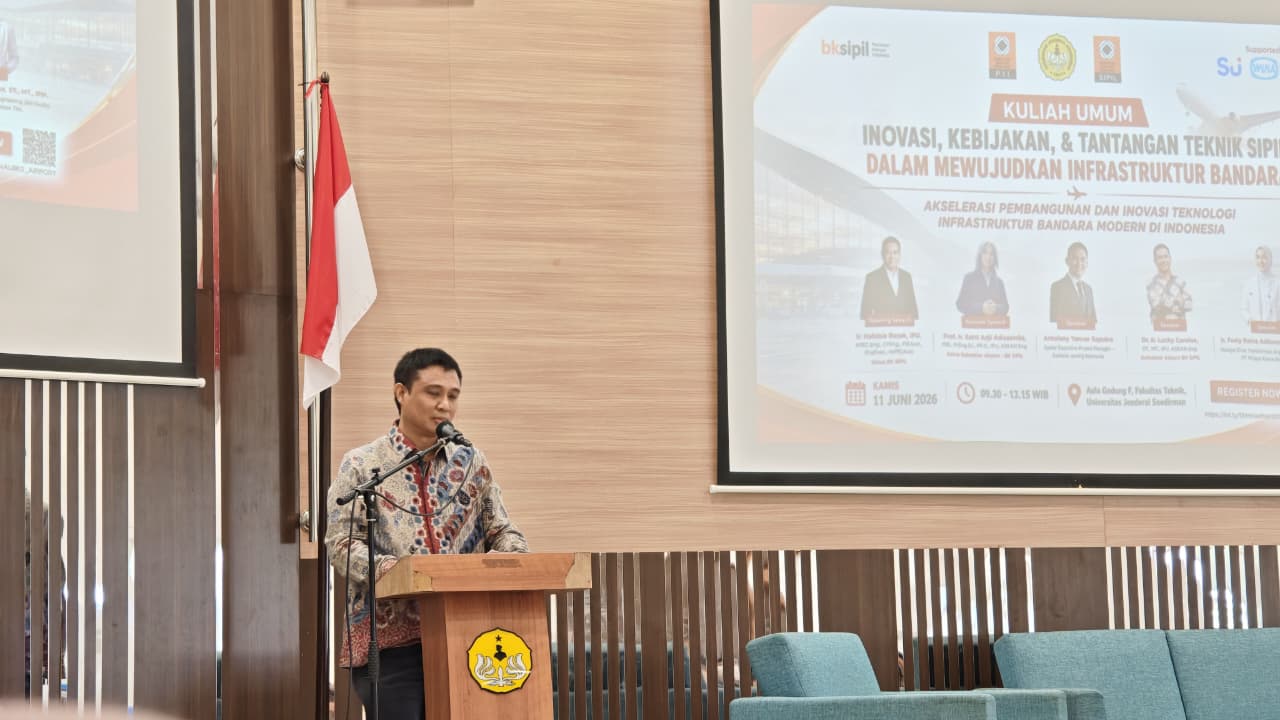
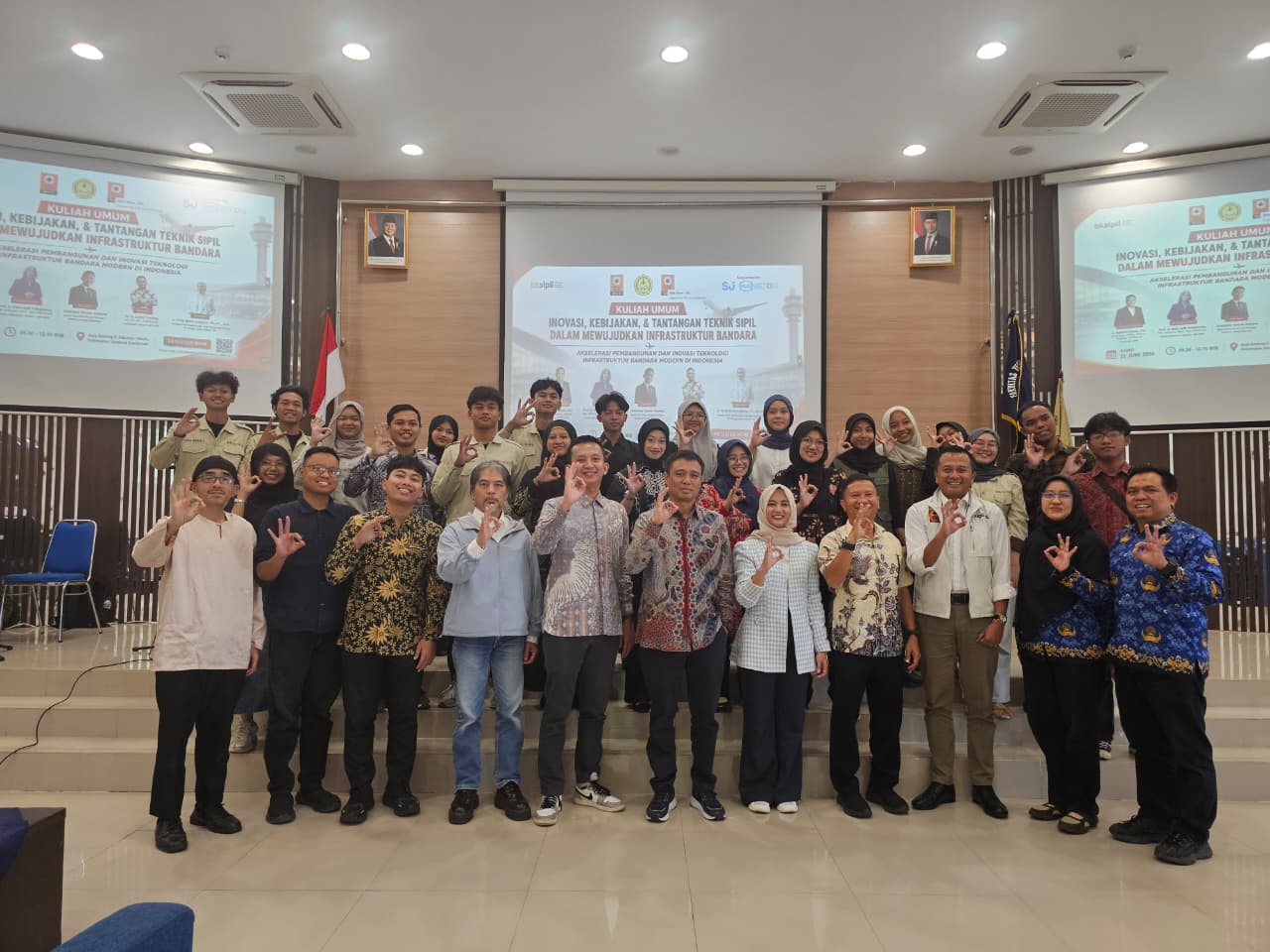
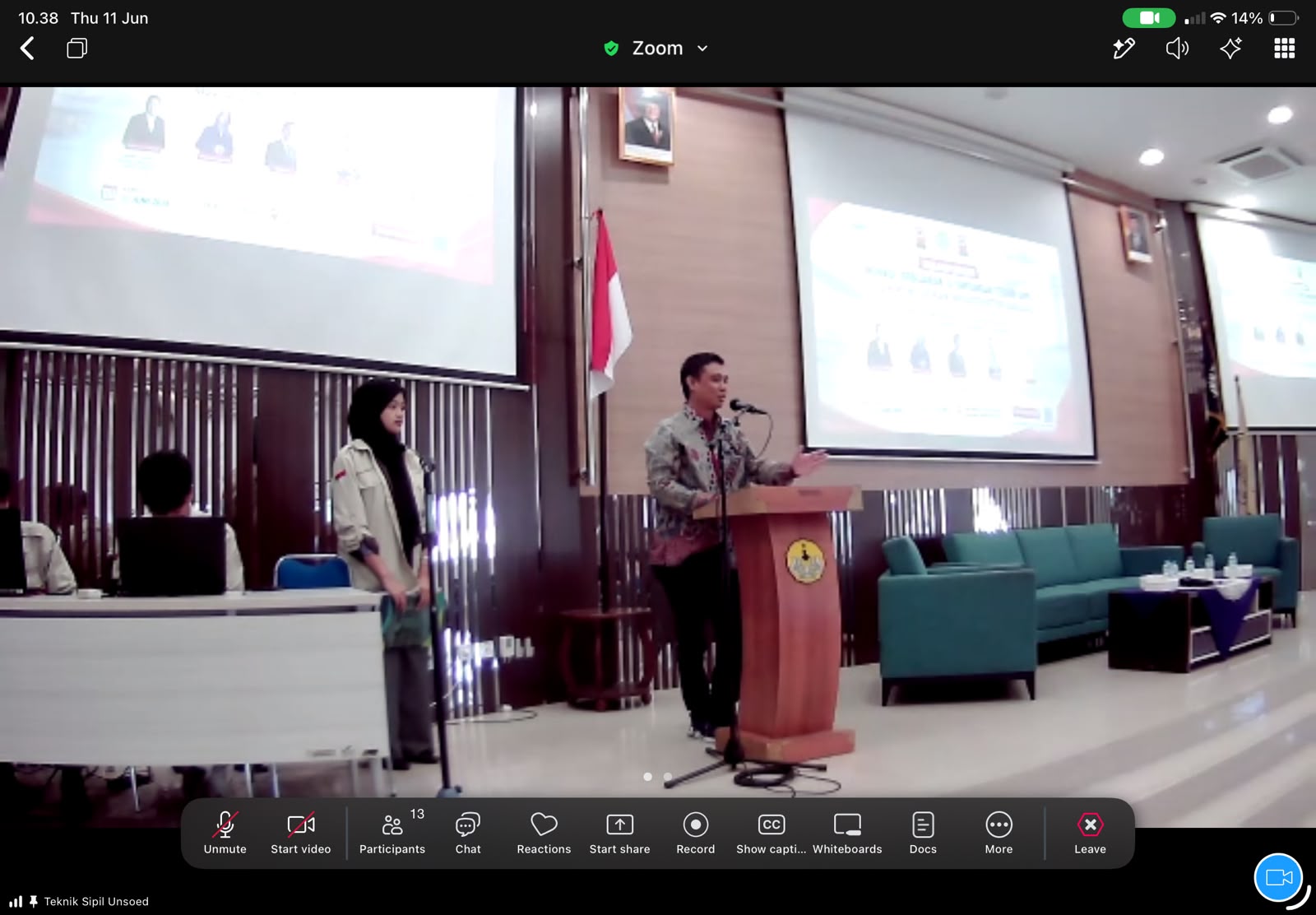
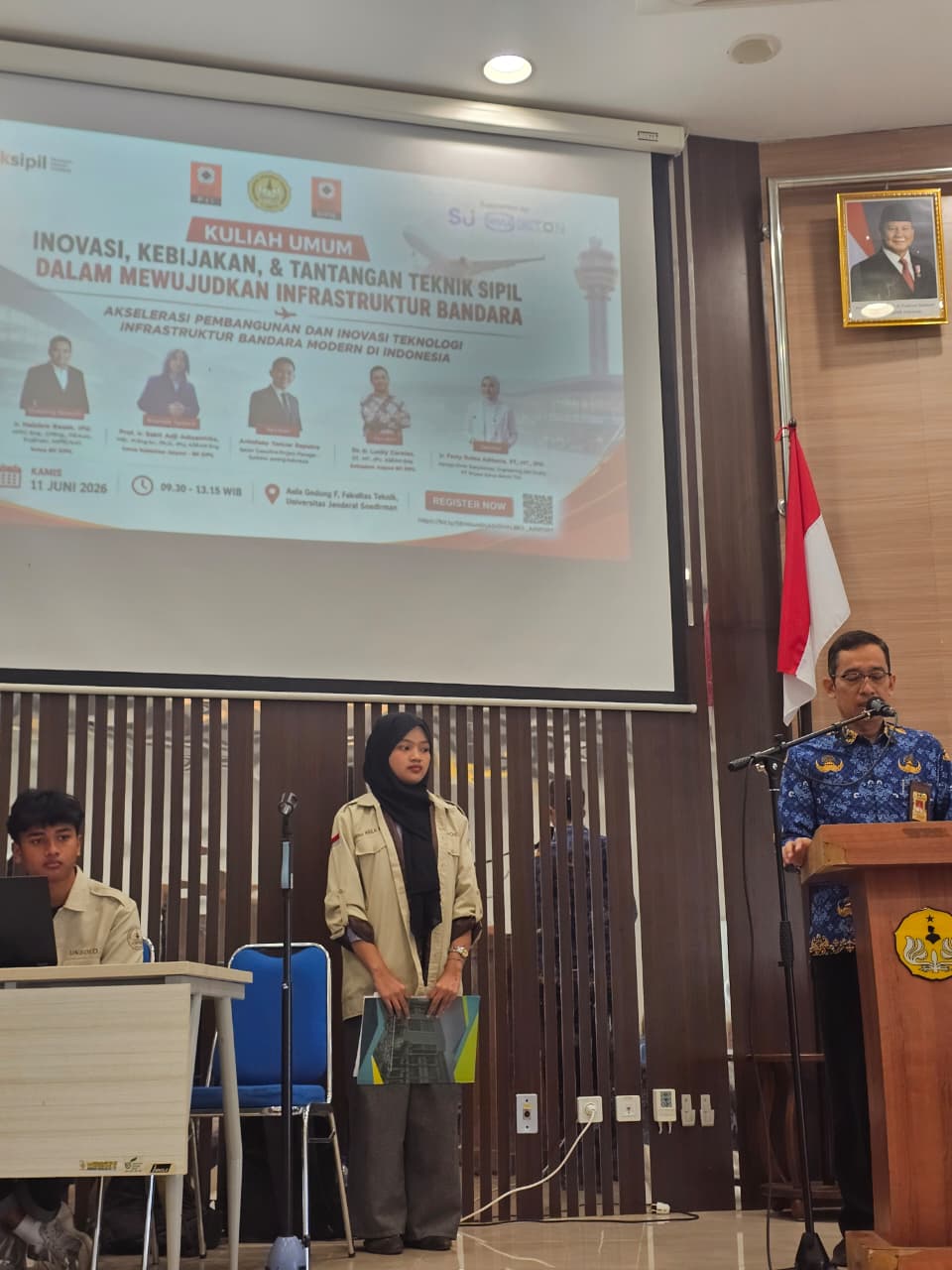
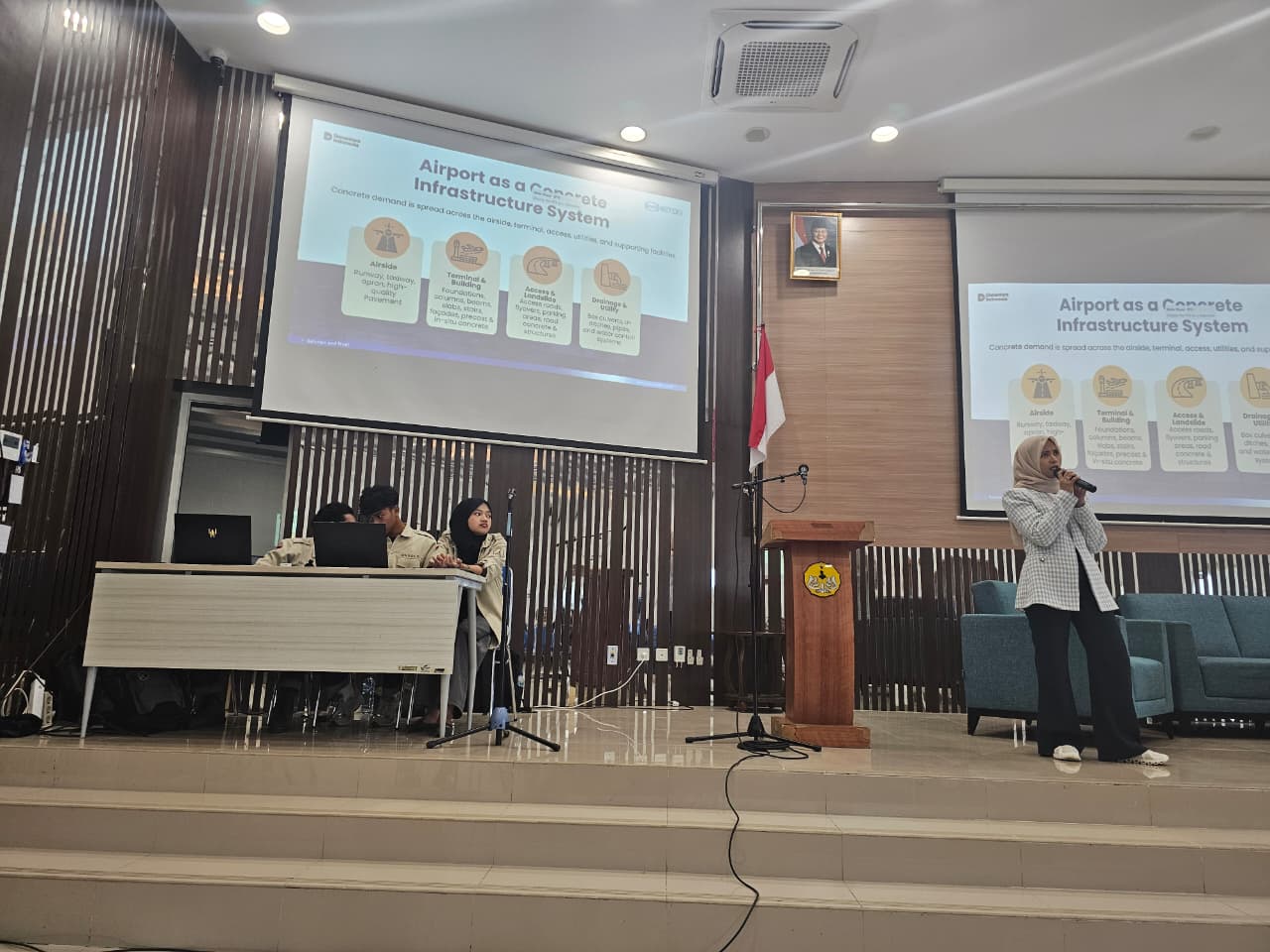
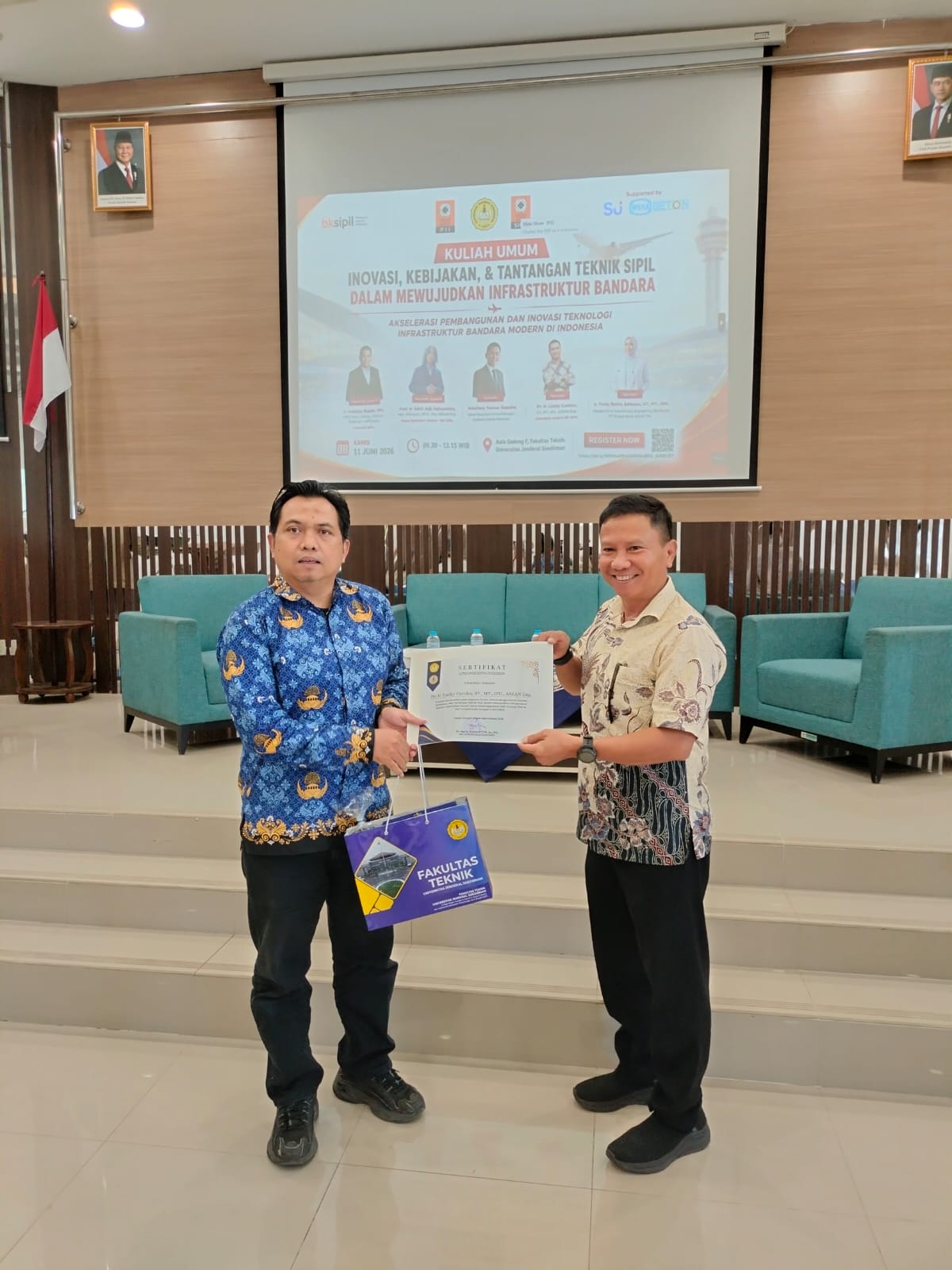
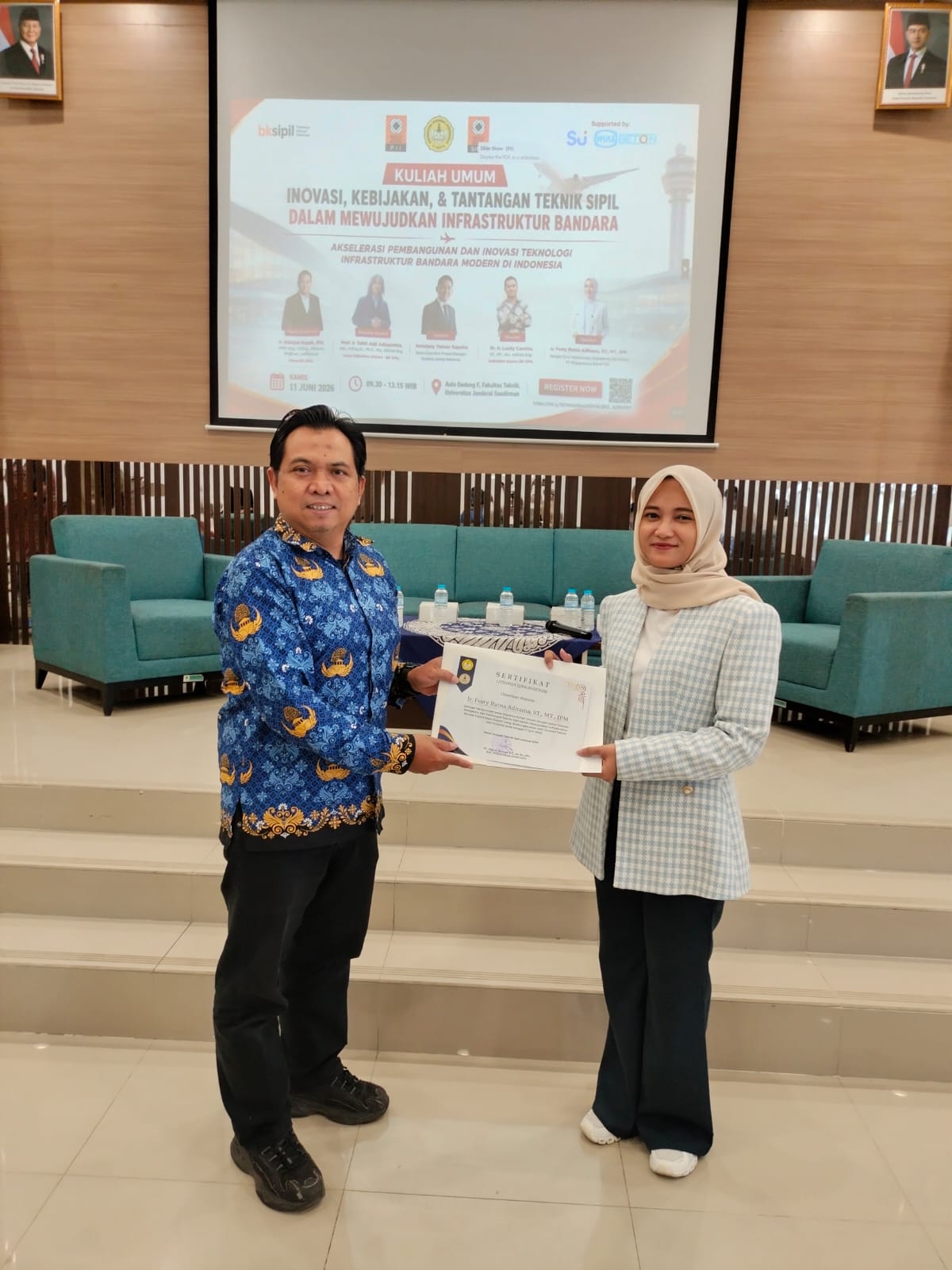
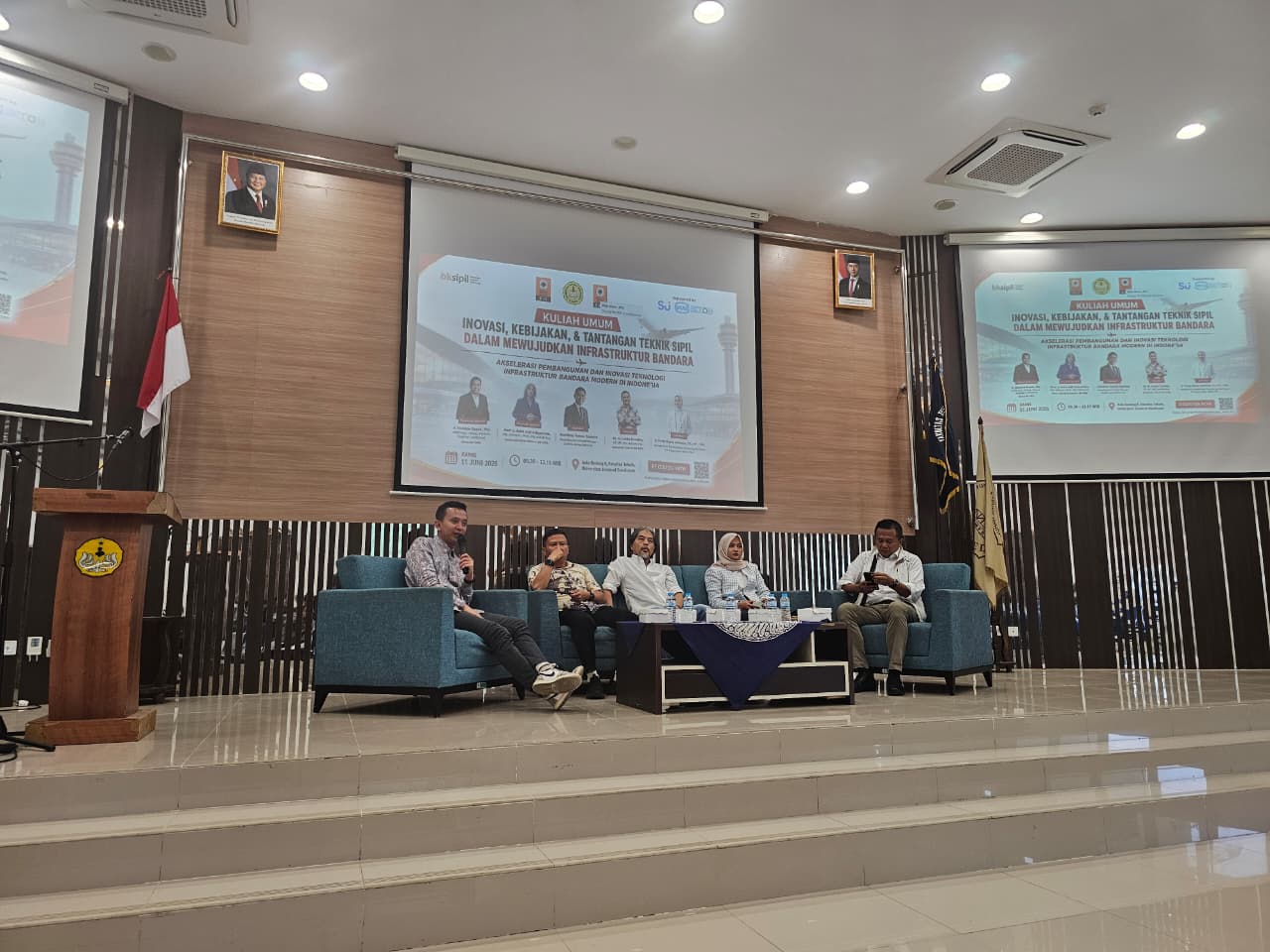
Hari Kamis pagi, 11 Juni 2026 di Kampus Fakultas Teknik Universitas Jenderal Soedirman, masih menjadi rangkaian dari Roadshow Pengurus BK Sipil ke daerah, hari ini Ketua Badan Kejuruan Sipil Persatuan Insinyur Indonesia (BKS PII) Ir. Habibie Razak, FIEAust., EngExec., IntPE(Aus) memberikan sambutan pada Kuliah Umum dengan tema “Inovasi, Kebijakan &Tantangan Teknik Sipil dalam Mewujudkan Infrastruktur Bandara; Akselerasi Pembangunan dan Inovasi Teknologi Infrastruktur Bandara Modern di Inovasi”.
Dalam sambutannya, Ir. Habibie Razak menyampaikan beberapa hal yang mungkin bisa menjadi masukan secara umum untuk pengembangan infrastruktur berkelanjutan di Indonesia termasuk proyek infrastruktur bandara. BK Sipil selalu sudah kemudian menambahkan new competency requirement untuk para Civil Engineer lulus kompetensi Chartered Engineer certification antara lain:
Mampu mendemonstrasikan sustainable design credentials merespons kebutuhan client termasuk usaha untuk mengurangi penggunaan material tanpa mengurangi kekuatan dari struktur
Mampu melakukan perhitungan karbon untuk memenuhi persyaratan carbon footprint seperti syarat 200 kgCO2equivalent/m2 untuk bangunan
Mampu beradaptasi dalam hal penggunaan digital tools yang mensupport kolaborasi, modelling dan carbon tracking. Tools yang dimaksud antara lain BIM, Life Cycle Assessment (LCA), data analysis platform dan digital twin system & IoT integration.
Tentunya BK Sipil PII akan mengadopsi international requirement ini supaya Insinyur Indonesia juga bisa go beyond their homeland, mampu dan sukses bekerja dan berpraktik keinsinyuran di luar negeri dan tidak lupa untuk sharing pengetahuan dan pengalamannya kepada para Insinyur-insinyur kita di dalam negeri.
Kerjasama antara BK Sipil PII dan Fakultas Teknik Universitas Jenderal Soedirman menghadirkan narasumber antara lain:
Prof. Sakti Adji Adisasmita, IPU., ASEAN Eng. – Aviation Specialist
Antofany Yuniar Saputra – Senior Executive Project Manager, SJ Group
Dr. Ir. Lucky Caroles IPU- Transport Expert, UNHAS
Ir. Festy Aditama – VP Engineering & Quality, WIKA Beton. Acara seminar dimoderasi oleh Ir. Arinova G Utama Direktur Eksekutif BK Sipil PII.
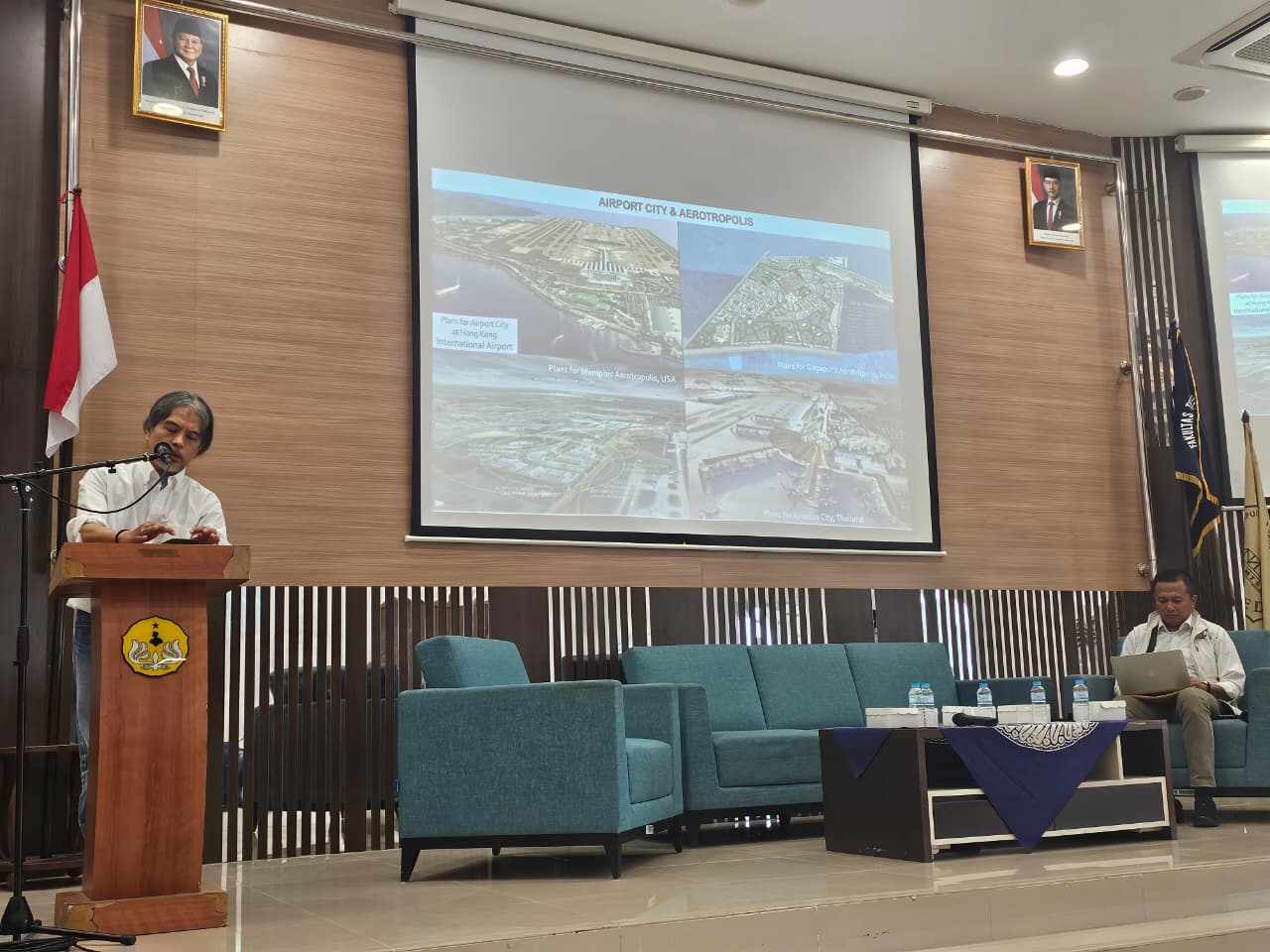
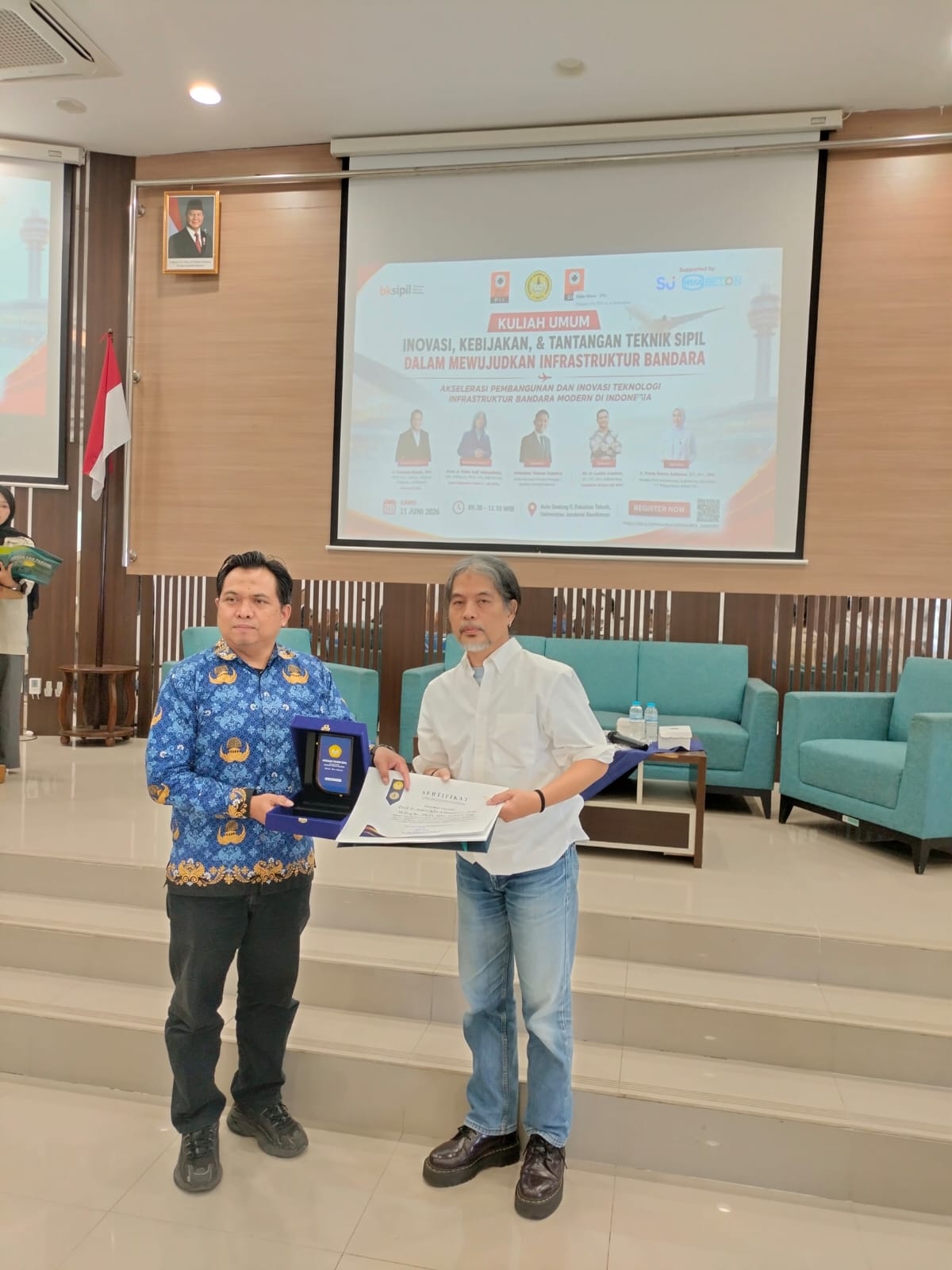
Prof Sakti Adji Adisasmita sebagai keynote speaker memaparkan bahwa bandar udara modern telah berkembang dari sekadar fasilitas transportasi menjadi pusat pertumbuhan ekonomi dan pengembangan wilayah. Seiring meningkatnya urbanisasi dan munculnya mega city, kebutuhan akan mega airport dengan kapasitas dan kualitas layanan yang tinggi juga semakin besar. Konsep ini memandang bandara sebagai bagian dari sistem perkotaan yang terintegrasi, di mana konektivitas, aksesibilitas, dan pengembangan kawasan di sekitar bandara menjadi faktor penting dalam mendukung mobilitas manusia dan barang serta memperkuat daya saing ekonomi suatu wilayah.
Lebih lanjut, Prof Sakti juga memperkenalkan konsep Airport City dan Aerotropolis, yaitu pengembangan kawasan yang menjadikan bandara sebagai pusat aktivitas bisnis, logistik, perdagangan, dan industri. Dalam pendekatan ini, bandara tidak hanya menghasilkan pendapatan dari aktivitas penerbangan, tetapi juga dari sektor non-aeronautika seperti kawasan komersial, pergudangan, perhotelan, dan pengembangan properti. Keberhasilan implementasinya memerlukan perencanaan yang matang, konektivitas transportasi multimoda, kemitraan dengan berbagai pemangku kepentingan, serta dukungan kebijakan tata ruang yang berkelanjutan.
Selain aspek fisik dan ekonomi, materi juga menyoroti pentingnya penerapan konsep smart airport, eco airport, dan airport sustainability planning untuk menjawab tantangan masa depan. Pemanfaatan teknologi digital, Internet of Things (IoT), dan sistem operasi cerdas diharapkan dapat meningkatkan efisiensi operasional, sementara prinsip keberlanjutan diarahkan pada konservasi sumber daya, pengurangan dampak lingkungan, dan peningkatan kualitas layanan bagi masyarakat. Pengembangan bandar udara modern juga didukung melalui berbagai skema pembiayaan, termasuk Public Private Partnership (PPP/KPBU), guna mempercepat pembangunan infrastruktur sekaligus menjaga keberlanjutan investasi dan pelayanan publik.
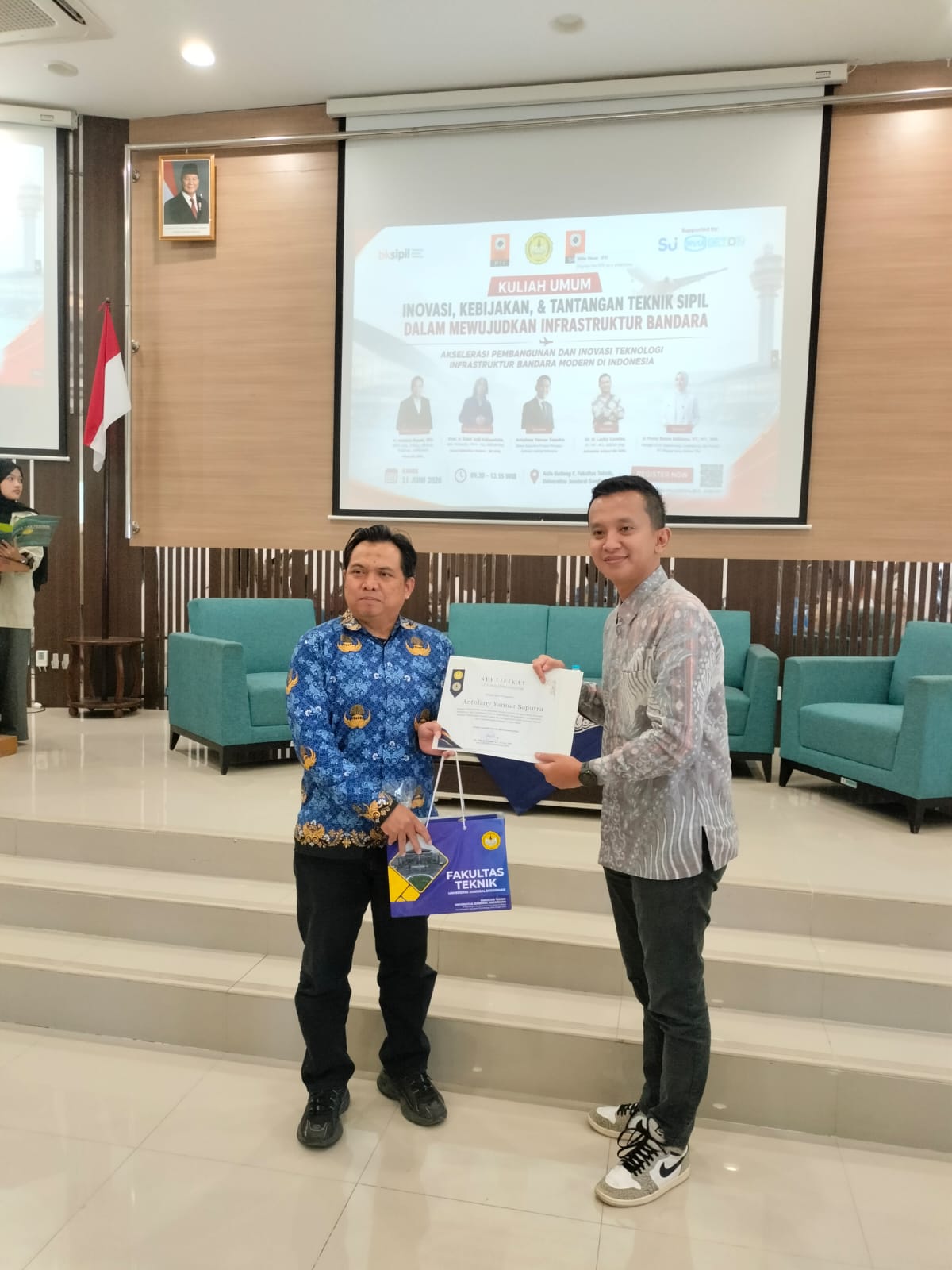
Sementara itu, Antofany Yuniar perwakilan dari Konsultan Global menjelaskan bahwa pembangunan Dhoho International Airport tidak hanya ditujukan sebagai fasilitas transportasi udara, tetapi juga sebagai instrumen untuk mendorong pertumbuhan ekonomi regional dan meningkatkan konektivitas di Jawa Timur bagian selatan.
Bandara ini merupakan proyek strategis nasional yang dibangun melalui skema Public Private Partnership (PPP) dengan investasi swasta, menjadikannya contoh kolaborasi antara sektor publik dan swasta dalam pengembangan infrastruktur. Dengan landasan pacu sepanjang 3.300 meter yang mampu melayani pesawat berbadan lebar serta terminal yang dirancang untuk pengembangan bertahap, Dhoho diposisikan sebagai gerbang utama bagi sektor pariwisata, industri, dan perdagangan di wilayah Kediri dan sekitarnya.
Dari perspektif rekayasa sipil, Antofany menekankan bahwa desain bandar udara mengikuti suatu design cascade, di mana keputusan mengenai pesawat rencana (design aircraft) dan kondisi angin menjadi dasar bagi seluruh proses perencanaan. Faktor-faktor tersebut menentukan orientasi dan panjang landasan pacu, standar geometrik, kapasitas perkerasan, tata letak taxiway dan apron, hingga desain terminal dan sistem akses darat. Studi kasus Dhoho International Airport menunjukkan bahwa perencanaan yang matang memungkinkan pembangunan infrastruktur yang mampu mengakomodasi kebutuhan jangka panjang, meskipun pada tahap awal operasional masih didominasi oleh lalu lintas pesawat berbadan sempit.
Selain fungsi transportasi, materi ini juga memperkenalkan konsep airport-led development, yaitu menjadikan bandar udara sebagai pusat pertumbuhan ekonomi baru. Dhoho International Airport direncanakan menjadi inti dari kawasan industri terpadu seluas sekitar 1.200 hektare yang terhubung dengan jaringan jalan tol dan pusat kota Kediri. Pengembangan ini sejalan dengan kebijakan nasional seperti hilirisasi industri, Making Indonesia 4.0, dan target Net Zero Emission, sehingga bandara diharapkan dapat berperan sebagai katalis investasi, logistik, dan industrialisasi berkelanjutan di Jawa Timur.
Pembicara ketiga, Dr. Lucky Caroles, menyoroti bahwa bandar udara bukan sekadar fasilitas transportasi, tetapi merupakan simpul strategis yang mendorong konektivitas, pertumbuhan ekonomi, dan pengembangan wilayah. Sebagai negara kepulauan dengan ratusan bandar udara yang tersebar di lebih dari 17.000 pulau, Indonesia menghadapi tantangan besar dalam penyediaan dan pemeliharaan infrastruktur penerbangan. Keberagaman kondisi geografis, mulai dari wilayah perkotaan, kepulauan, pegunungan, hingga daerah rawan bencana, menuntut pendekatan perencanaan dan pengelolaan infrastruktur yang adaptif dan inovatif.
Materi ini juga menjelaskan bahwa keberhasilan infrastruktur bandara tidak hanya ditentukan oleh tahap perencanaan dan konstruksi, tetapi juga oleh kemampuan mempertahankan kinerja struktur selama puluhan tahun operasi. Perubahan lalu lintas pesawat, variasi mutu konstruksi, dan pengaruh lingkungan dapat menyebabkan kondisi aktual berbeda dengan asumsi desain awal. Oleh karena itu, evaluasi kapasitas struktural secara berkala menjadi kebutuhan penting, salah satunya melalui metode Heavy Weight Deflectometer (HWD) yang digunakan untuk menilai kemampuan perkerasan runway, menentukan nilai ACR/PCR, memperkirakan sisa umur layanan, serta mendukung keputusan pemeliharaan dan perkuatan struktur.
Sebagai bentuk inovasi, pembicara memperkenalkan konsep pengembangan Alat Pengujian Kekuatan Struktur Perkerasan Bandar Udara Tipe Kecil (APTURA-LANBA) yang dirancang lebih ringan, mudah dimobilisasi, dan lebih ekonomis dibandingkan HWD konvensional. Inovasi ini diharapkan dapat memperluas akses evaluasi struktural pada bandar udara kecil dan daerah terpencil, sekaligus membuka peluang riset lanjutan berbasis sensor digital untuk pemantauan kondisi infrastruktur secara lebih efisien. Pendekatan tersebut menjadi langkah strategis dalam meningkatkan keselamatan, keandalan, dan keberlanjutan layanan infrastruktur bandar udara di Indonesia.
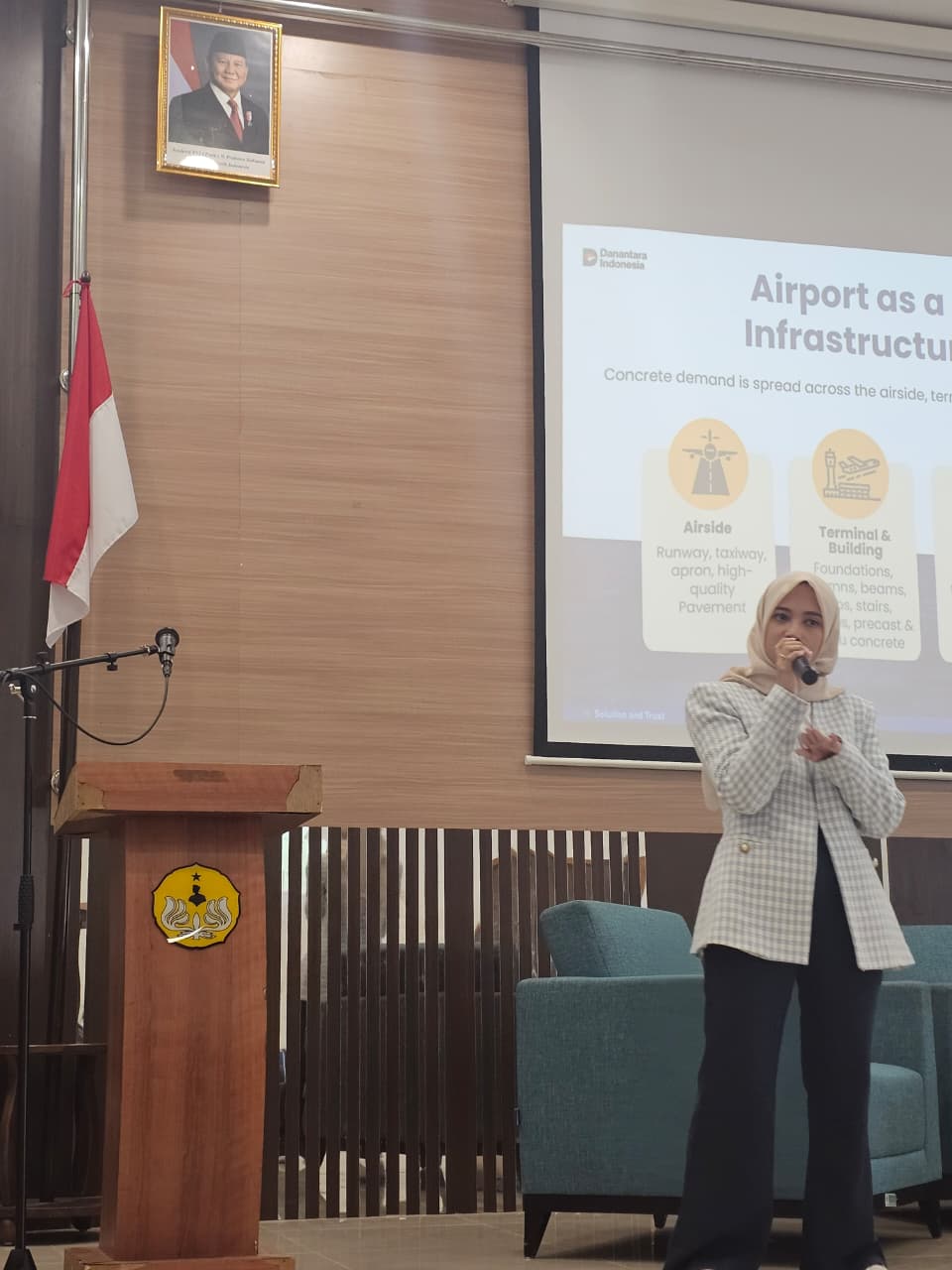
Narasumber terakhir, Ir. Festy perwakilan WIKA Beton menuturkan bahwa pembangunan bandara modern tidak hanya berfokus pada penyediaan landasan pacu, tetapi juga pada pengembangan suatu sistem infrastruktur yang terintegrasi. Teknologi beton memegang peranan penting dalam mendukung berbagai komponen bandara, mulai dari runway, taxiway, apron, terminal, akses jalan, hingga sistem drainase dan utilitas. Infrastruktur tersebut harus mampu memenuhi tuntutan keselamatan, ketahanan terhadap beban pesawat, keawetan jangka panjang, kecepatan konstruksi, serta prinsip pembangunan berkelanjutan.
Ir. Festy sebagai salah satu penerima Srikandi Indonesia Infratstruktur Award 2025, juga menekankan bahwa kualitas perkerasan kaku (rigid pavement) bandara sangat bergantung pada pengendalian mutu secara menyeluruh, mulai dari desain campuran beton, workability, temperatur beton, proses transportasi, finishing, curing, hingga pengaturan sambungan (joint). Selain itu, penerapan teknologi beton pracetak (precast) pada terminal, gedung parkir, akses jalan, dan fasilitas pendukung lainnya dinilai mampu meningkatkan efisiensi waktu pelaksanaan, menjaga konsistensi kualitas, serta mendukung percepatan pembangunan infrastruktur bandara.
Sebagai penutup, Ir. Festy menyoroti pentingnya kolaborasi antara regulator, pemilik proyek, akademisi, perencana, kontraktor, dan industri dalam mengembangkan infrastruktur bandara masa depan. Inovasi seperti penggunaan beton rendah karbon (low carbon concrete), optimalisasi desain campuran, substitusi sebagian semen dengan supplementary cementitious materials (SCM), serta pengurangan limbah konstruksi menjadi langkah strategis untuk mewujudkan bandara yang tidak hanya andal dan aman, tetapi juga lebih ramah lingkungan dan berkelanjutan.
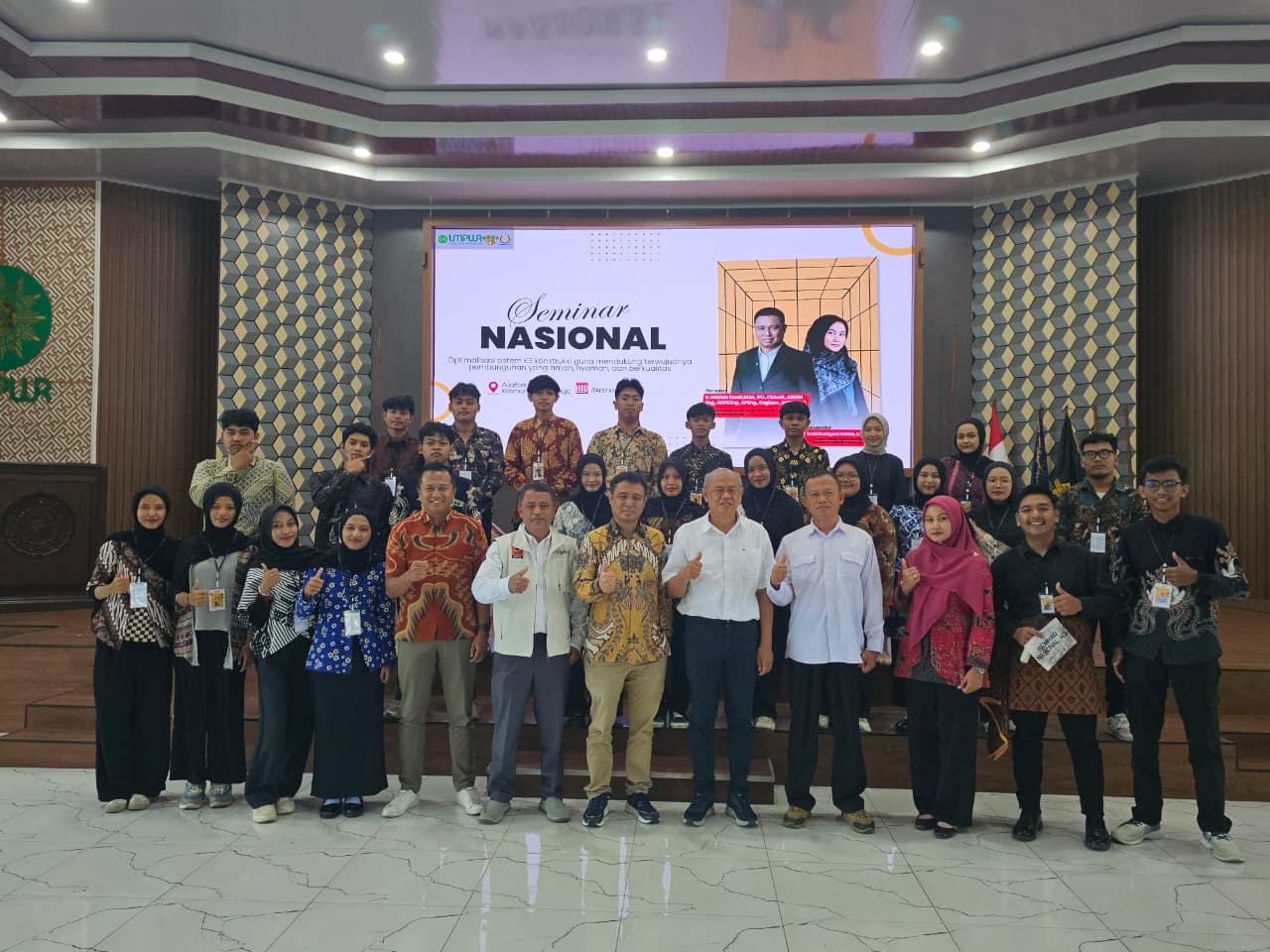
Acara dibuka oleh Dekan Fakultas Teknik Universitas Jenderal Soedirman, Prof Agus Maryoto, IPU., ASEAN Eng dan dihadiri setidaknya 50 peserta dari berbagai unsur (praktisi, akademisi, dan mahasiswa).
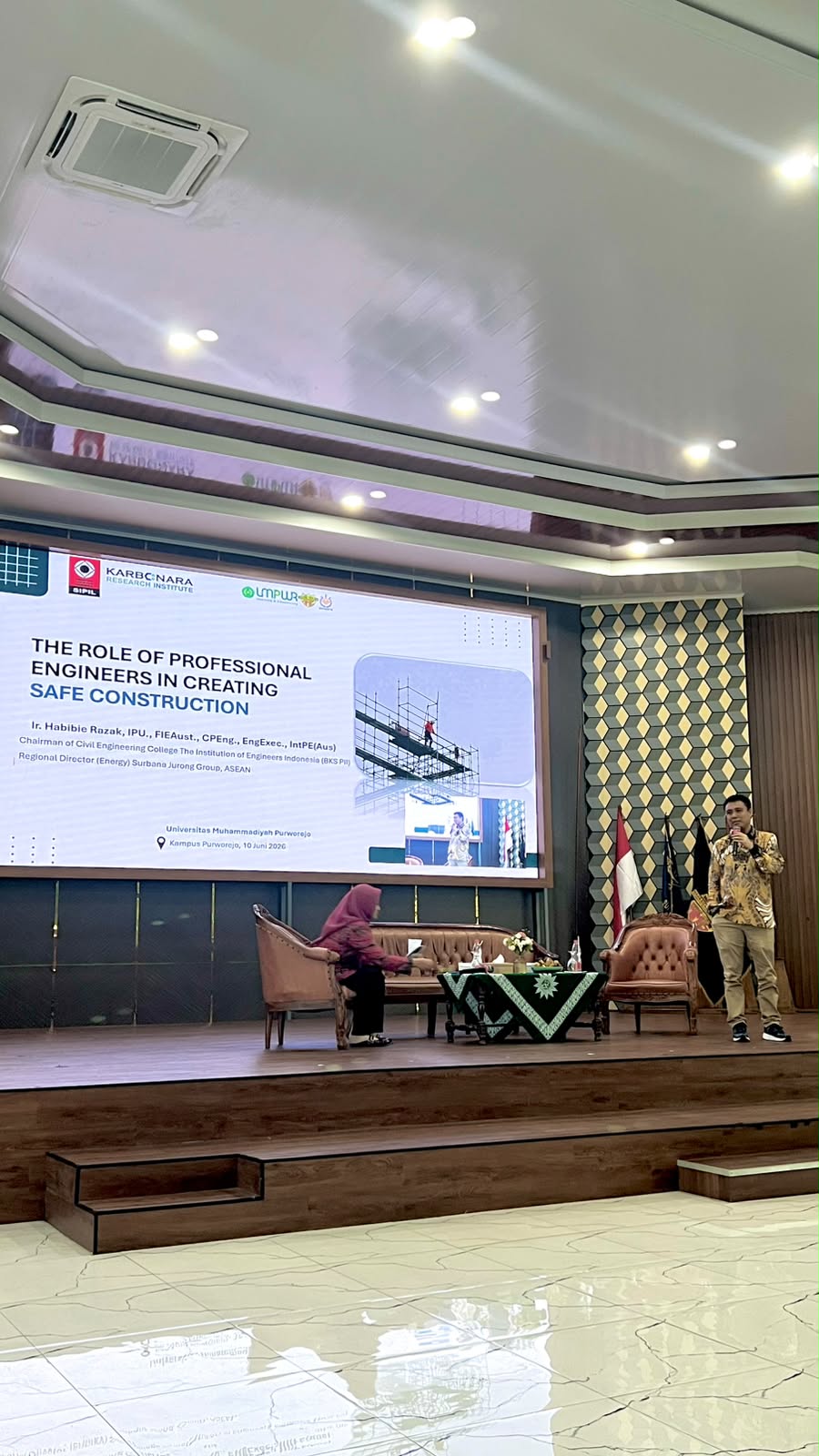
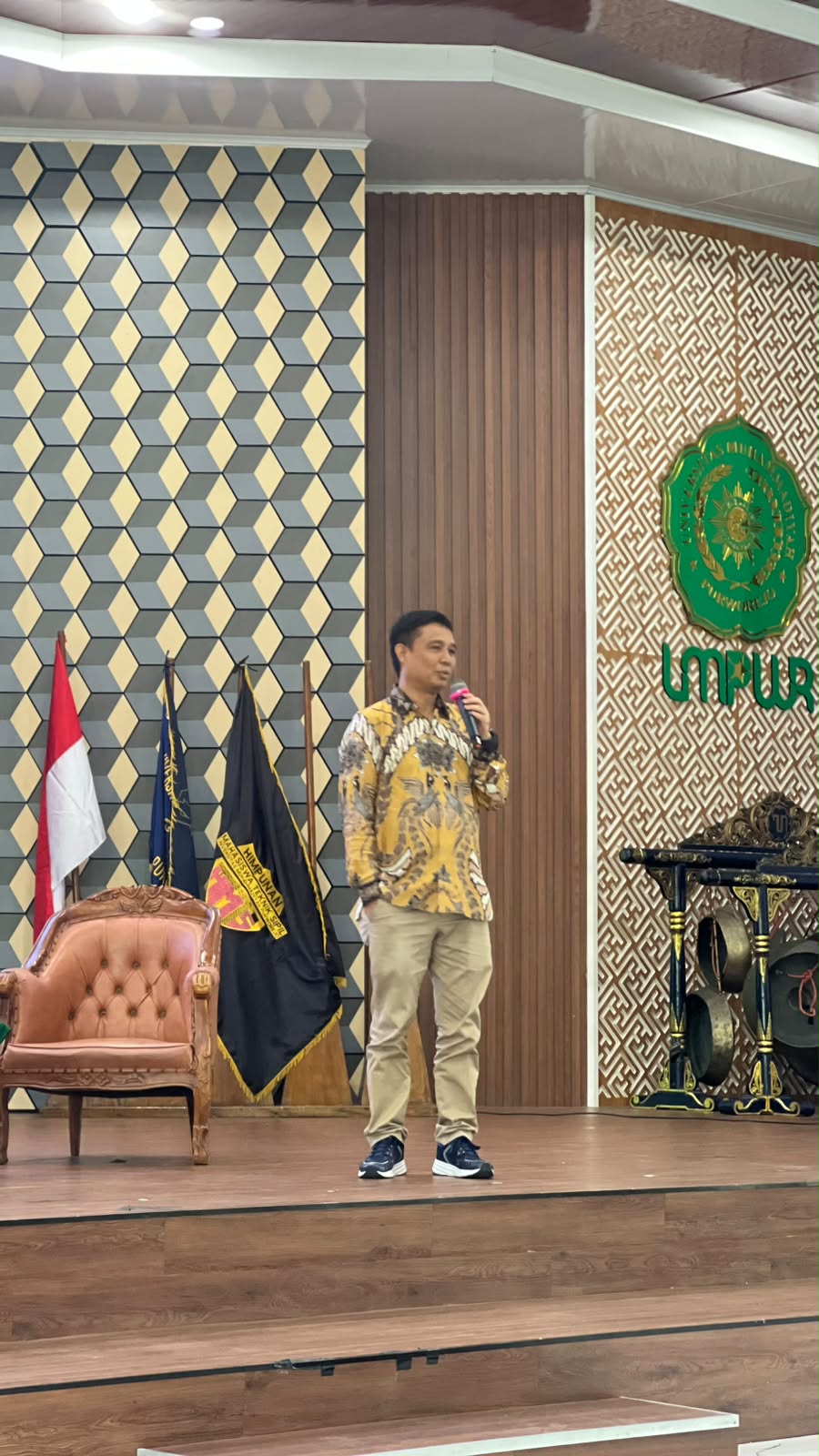
Hari ini Ketua Badan Kejuruan Sipil Persatuan Insinyur Indonesia (BKS PII) Ir. Habibie Razak, FIEAust., EngExec., IntPE(Aus) memberikan kuliah umum di hadapan mahasiswa(i), dosen dan alumni Universitas Muhammadiyah Purworejo (UMP) dengan judul “The Role of Professional Engineers in Creating Safe Construction”.
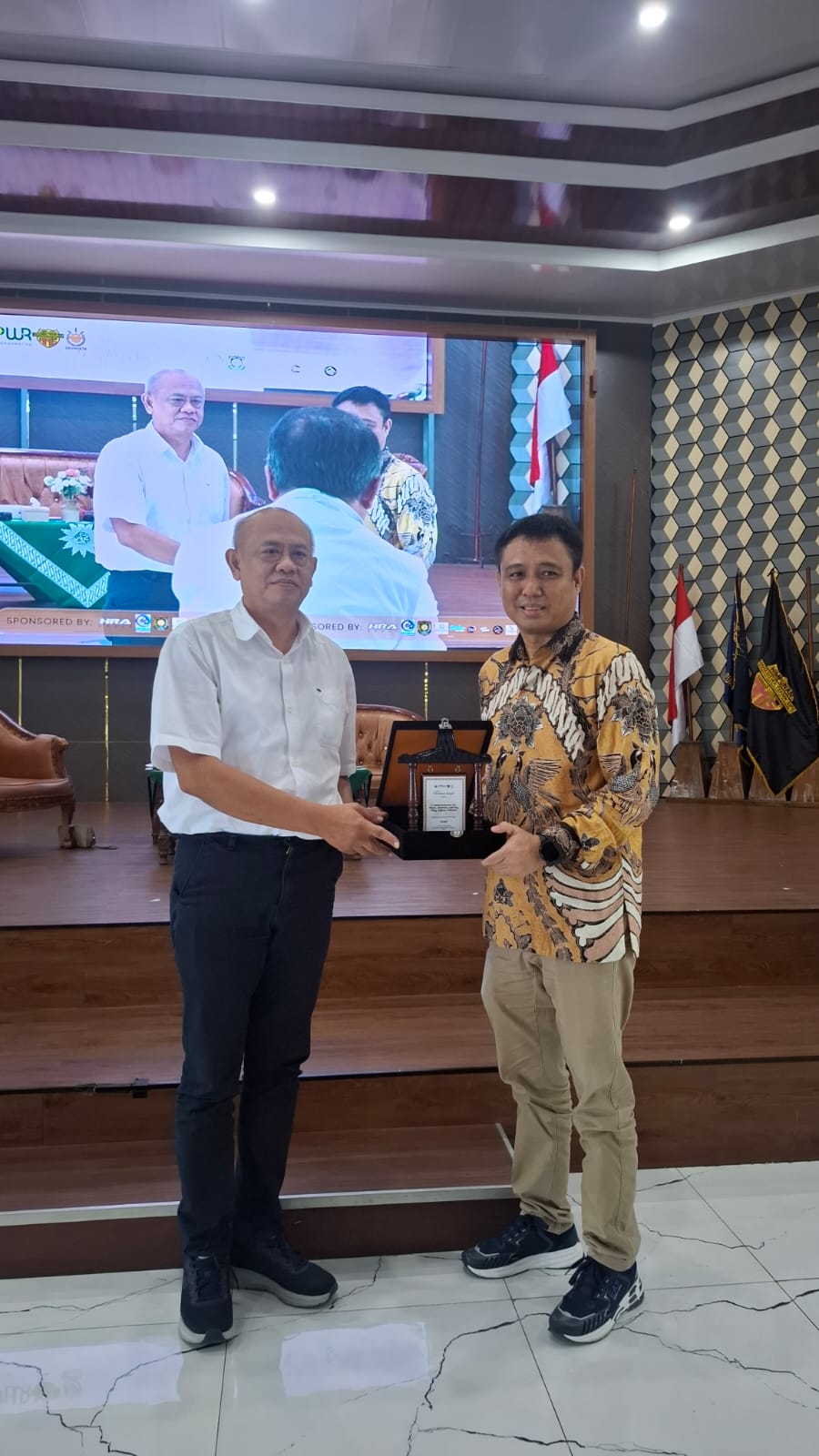
Acara ini di-organize oleh Himpunan Mahasiswa Sipil UMP dan dituanrumahi oleh Dekan FT UMP, Bapak Ir. Agung Setiawan, MT.
Sesi kuliah umum berlangsung interaktif dimoderasi Ibu Indri Nurtiyani Hakim, ST., MT. Setelah sesi presentase selama 60 menit yang kemudian dilanjutkan dengan sesi tanya jawab.
Ir. Habibie Razak dalam paparannya memberikan wawasan terutama kepada mahasiswa(i) bagaimana roadmap menjadi Insinyur Profesional dan mendapatkan pengakuan internasional. Ir. Habibie juga memberikan resep atau kiat-kiat perencanaan karir efektif untuk fresh graduate.
Keselamatan konstruksi menjadi sangat penting untuk dilaksanakan dan usaha-usaha ini berada di bawah tanggung jawab Insinyur Profesional demi mencapai tujuan antara lain: keselamatan publik, kualitas infrastruktur, meningkatkan accountability dan mengurangi kegagalan desain atau pun malpraktik keinsinyuran.
Kembali kepada kasus runtuhnya Jembatan Quebec di awal 1900-an di mana root causenya antara lain engineering design deficiencies, lack of technical competency, poor decision making and inadequate professional oversight sehingga kita meyakini bahwa keselamatan konstruksi itu bukan hanya isu-isu di lokasi proyek atau di lapangan tapi juga adalah tanggung jawab desain atau perencanaan. Proyek haruslah dipimpin oleh Insinyur Profesional (design and construction phase).
Ir. Habibie kembali mengingatkan bahwa titel Insinyur Profesional di Indonesia diadopsi dari terminologi “Professional Engineer” dari negara maju seperti US, Canada, Australia, New Zealand, Singapore, Malaysia yang mengimplementasikan lebih awal. Standar kompetensi keinsinyuran kita tidak boleh lebih rendah dari negara-negara maju tadi sehingga kita bisa melahirkan Insinyur Indonesia yang bukan hanya berkompetisi di skala nasional tapi di skala global.
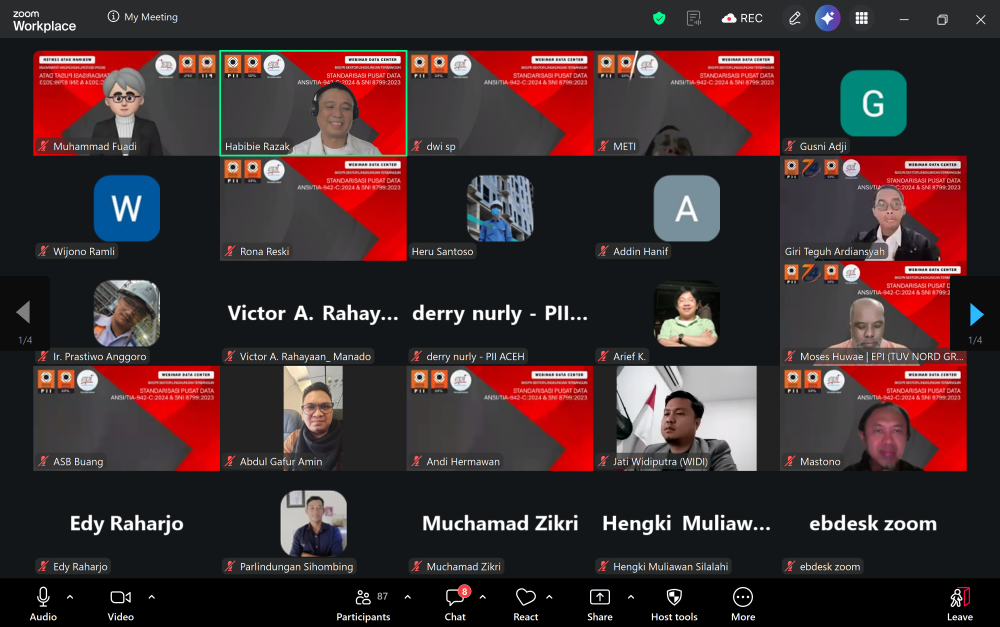
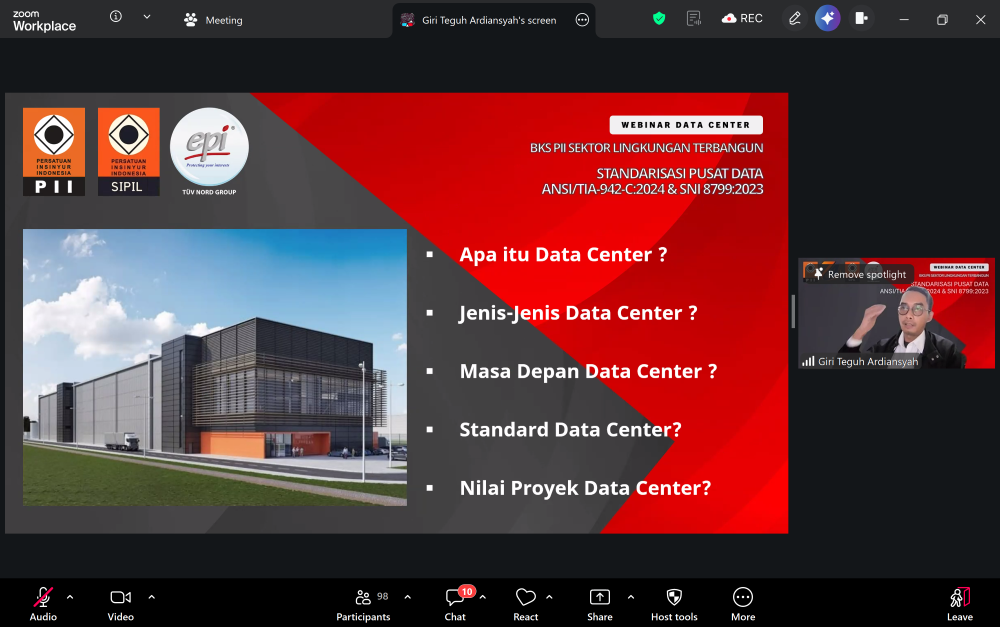
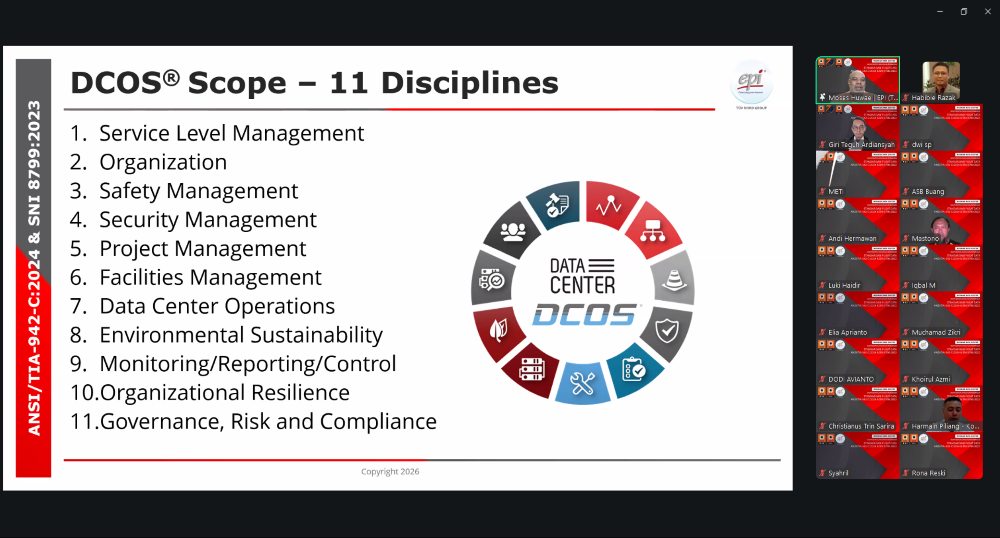
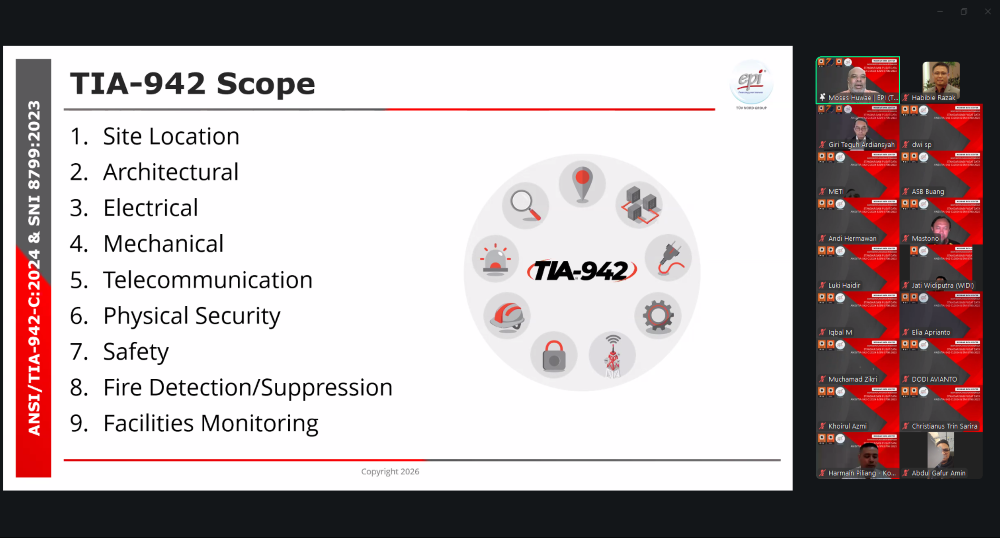
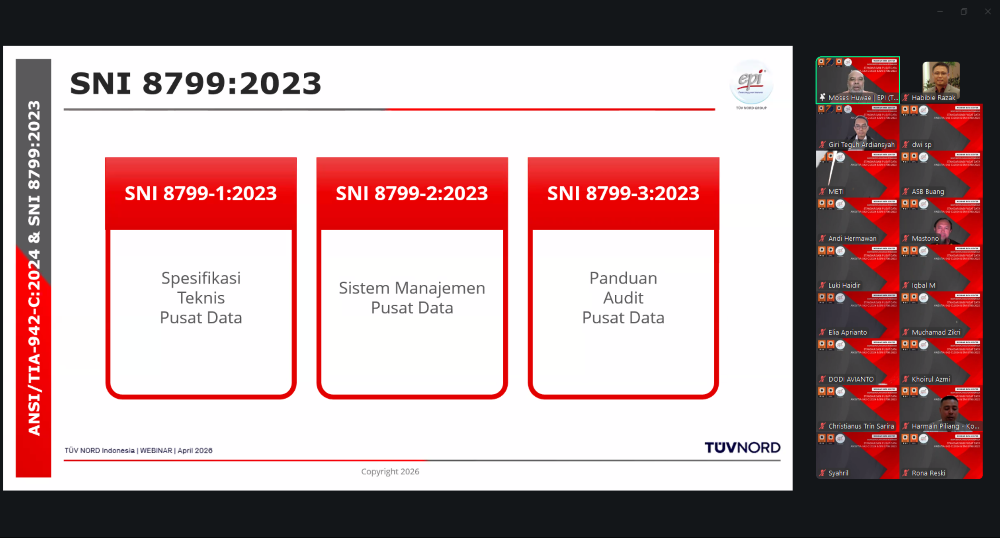
Sesi Webinar Data Center pagi ini dibuka langsung oleh Ketua Badan Kejuruan Sipil Persatuan Insinyur Indonesia (BKS PII) Ir. Habibie Razak, FIEAust., EngExec., IntPE(Aus) dengan tema “Standarisasi Data Center ANSI/TIA-942-C:2024 & SNI 8799:2023”.
Proyek data center di Indonesia berkembang pesat karena lonjakan ekonomi digital, adopsi cloud dan Artificial Intelligence (AI) yang membutuhkan kapasitas daya besar, aturan kedaulatan data (data sovereignty) yang ketat, serta status Indonesia sebagai pasar digital terbesar di Asia Tenggara dengan populasi yang sangat aktif menggunakan internet.
Berikut adalah pendorong utama mengapa pembangunan Data Center ini menjadi primadona investasi: · Ledakan Ekonomi Digital dan Pengguna Internet: Pertumbuhan jumlah pengguna internet yang mencapai ratusan juta serta masifnya transaksi e-commerce dan fintech membuat kebutuhan penyimpanan dan pemrosesan data lokal melonjak tajam. · Adopsi Kecerdasan Buatan (AI) & Cloud Computing: Perusahaan berskala global hingga lokal beralih menggunakan layanan cloud dan teknologi AI. Teknologi ini membutuhkan server dengan kepadatan daya (power density) sangat tinggi, yang mendorong pembangunan infrastruktur baru berskala besar. · Aturan Kedaulatan Data (Data Sovereignty): Regulasi pemerintah mewajibkan data dari sektor krusial (seperti perbankan, publik, dan layanan penting negara) harus disimpan di dalam negeri. · Pertumbuhan Kapasitas Menuju Skala Gigawatt: Nilai pasar Data Center di Indonesia diproyeksikan bernilai hingga belasan miliar Dolar AS. Dengan potensi pertumbuhan majemuk (CAGR) dua digit, kapasitas nasional ditargetkan melesat mencapai skala gigawatt. · Last but not least, Kawasan seperti Jakarta, Jawa Barat (terutama area penyangga), dan Batam menjadi pusat utama pembangunan infrastruktur strategis ini. Dukungan penuh dari pemerintah dan penyedia infrastruktur digital mempercepat transformasi agar Indonesia dapat menjadi hub pusat data terkemuka di kawasan Asia Pasifik.
Tentunya, kita menginginkan reliable and resilient infrastructure sehingga standarisasi infrastruktur data center sangat penting untuk memastikan keandalan operasional, keamanan data tingkat tinggi, dan kelangsungan bisnis. Pedoman seperti standar ANSI/TIA-942 menciptakan fondasi yang menjamin stabilitas dan efisiensi melalui faktor-faktor krusial seperti pencegahan downtime, keamanan & kepatuhan: Memenuhi regulasi perlindungan data yang berlaku, mengamankan informasi sensitif dari ancaman fisik maupun siber, efisiensi biaya & energi, skalabilitas mudah, kepatuhan terhadap standar global memungkinkan bisnis beroperasi tanpa gangguan dan menjaga kepercayaan pelanggan di ekosistem digital yang dinamis.
Delegasi Indonesia yang berasal dari Pemrakarsa Jaringan Cerdas Indonesia (PJCI) bersama Delegasi Masyarakat Telekomunikasi (MASTEL) dan Masyarakat Ketenagalistrikan Indonesia menghadiri India Smart Utility Week (ISUW) 2026 di Hotel Lalit, New Delhi, India yang berlangsung dari Tanggal 10 hingga 14 Maret ini.
Dari PJCI diwakili oleh Bagus Setyawan dan Lena Lusiana, MASTEL mengirimkan Teguh Prasetya dan Habibie Razak dari MKI. Hari pertama, delegasi Indonesia menghadiri sesi pelatihan singkat “Agentic AI untuk bisnis utilitas dan energi (cara membangun dan menerapkan Agen AI)” dan Workshop Koordinasi Standardisasi Energi Cerdas IEC – IEEE – BIS ke-10.
Sesi agentic AI berisikan pengenalan singkat tentang bagaimana cara membangun dan menerapkan agen AI menggunakan UiPath. UiPath adalah platform otomasi berbasis AI terkemuka yang dirancang untuk menyederhanakan proses bisnis yang berulang, manual, dan memakan waktu, menggunakan AI untuk mengidentifikasi kerusakan peralatan dan inefisiensi proses dalam pengoperasian pembangkit listrik termasuk penggunaan LLM, A Large Language Model (LLM) yang dilatih pada kumpulan data besar untuk memahami, menghasilkan, dan meringkas bahasa manusia. Fungsi utamanya adalah menganalisis pola dalam teks untuk memprediksi dan menghasilkan respons yang koheren dan sesuai konteks untuk tugas-tugas seperti pengkodean, penerjemahan, dan chatbot.
Trainer berasal dari 4 perusahaan yang berbeda yakni Boundaryless Group, Natwest Group, Siddhant Shrivastava dan AI Library/Enterprise AI.
Hari kedua, delegasi Indonesia menghadiri beberapa sesi seperti upacara pembukaan resmi acara ISUW 2026 ini yang dibuka oleh Indian Smart Grid Forum, Reji Kumar Pillai didampingi Executive Director Reena Suri yang membawakan closing remars. Sesi siang hari mengadirkan tematik konferensi dengan berbagai topik seperti AI Data Centre, Digitized Discom and Digital Customer, Digital Grids on Unified Energy Interface (UIE).
Sesi Digitized Discom and Digital Customer menghadirkan beberapa narasumber lokal yang memberikan update terkait F2F transaction yang sudah diimplementasikan di India 6-7 tahun lalu. Transaksi Peer-to-Peer (P2P) dalam bisnis listrik adalah mekanisme terdesentralisasi yang memungkinkan konsumen dan produsen listrik (khususnya pengguna panel surya atap, atau “prosumer”) untuk membeli dan menjual listrik secara langsung satu sama lain, seringkali melewati perantara utilitas tradisional. Transaksi ini difasilitasi oleh platform digital, yang sering menggunakan teknologi blockchain untuk penyelesaian yang aman, transparan, dan otomatis.
Komponen utama transaksi Energi P2P
Prosumer: Individu atau entitas dengan panel surya yang menghasilkan surplus listrik dan menjualnya.
Konsumen: Pengguna yang membeli surplus energi ini, seringkali dengan harga yang lebih kompetitif daripada tarif jaringan listrik.
Platform Digital/Blockchain: Lapisan teknologi yang menghubungkan pembeli dan penjual, mencatat transaksi, dan menangani penyelesaian otomatis secara real-time.
Smart meter: Perangkat yang diperlukan untuk mengukur, memverifikasi, dan melacak konsumsi dan pembangkitan energi secara real-time.
Infrastruktur Fisik: Kabel dan infrastruktur jaringan DISCOM (Perusahaan Distribusi) yang ada masih membawa daya fisik, meskipun transaksi keuangan dilakukan secara langsung.
India beberapa tahun terakhir mendapatkan pembelajaran penting dari mekanisme P2P ini dan narasumber yang hadir adalah stakeholder yang berasal dari Regulatory authorities seperti state electrocyte regulatory commission (SERC), forum of regulations (FOR), Distribution Utilities; state owned distribution companies, Technology and platform providers antara lain blockchain/digital energy platform providers, smart meter technology providers, AMISPs/meter data management system providers dan tentunya market participants yang tidak lain adalah P2P prosumers (rooftop solar owners), P2P consumers dan service providers yang mengoperasikan P2P platforms.
Kegiatan hari ketiga menghadirkan beberapa sesi penting antara lain: Rise of Flexumers” and Digital Tools for DER Management and Grid Integration, Smart Metering and Smart Meter Data Analytic, Digitalization Roadmaps for Utilities and Role of Small Modular Reactors (SMR) in the Net Zero Power Systems (in Partnership with BSCE Systems), Emerging Solutions for Power System Flexibility seperti Smart Microgrids, Grid Interactive Buildings, Distributed Energy Storage Systems dan Demand Response (DR) dan Data Governance Framework and Data Management in Utilities.
Sesi Rise of Flexumers juga menghadirkan perwakilan Indonesia pada presentase and panel discussion, Bapak Bagus Setyawan menghadirkan judul: Rise of Flexumers and Digital Tools for DER Management and Grid Integration Indonesia Perspective. Bagus perwakilan Pemrakarsa Jaringan Cerdas Indonesia (PJCI) memaparkan bahwa berbeda dengan Indonesia, Indonesia adalah negara kepulauan di mana power system tidak terkoneksi sebagai satu kesatuan. Regional Jawa-Bali-Madura menggunakan koneksi yang besar dan kompleks sedangkan pulau-pulau kecil bisa menggunakan microgrid system.
Potensi berkembangnya konsep Flexumer di Indonesia didrive oleh 3 aspek yang pertama adalah the increase of rooftop solar adoption, kedua electric vehicle ecosystem growth, dan yang ketiga adalah vehicle-to-grid.
Bagus juga memberikan update terkait progress ASEAN Power Grid. ASEAN telah lama membahas ASEAN Power Grid, yang bertujuan untuk memperkuat interkoneksi listrik lintas batas. Secara tradisional, interkoneksi ini terutama dipandang sebagai cara untuk memperdagangkan listrik antar negara. Namun, di masa depan, interkoneksi ini dapat mendukung sesuatu yang bahkan lebih berharga: pasar fleksibilitas regional.
Hari keempat juga menghadirkan beberapa sesi antara lain AI-ML-VR and Robotics Application for Utilities, Electric Vehicles – A $200 Billion Opportunity in India to be Unlocked, Electrification of Agricultural Sector – Electric Tractors and Solarized Irrigation Pumps, Power Markets and Carbon Markets, Resiliency of the Power System Against Extreme Weather Events, Future of Work: Working with Digital Colleagues and Humanoid Robots dan sesi utama yakni sesi India – Indonesia Smart Grid Forum.
Di sesi Indonesia Smart Grid Forum, masing-masing perwakilan dari kedua negara diberikan kesempatan untuk menyampaikan update terkait perkembangan smart grid dan perkembangan bisnis Ketenagalistrikan di Indonesia dengan mengangkat berbagai isu antara lain ArGi – Archipelagic Grid Initiative, Indonesia’s deployment framework for island power systems dengan prinsip: distributed architecture, hybrid renewable microgrids, staged system evolution dan sandbox-based learning.
Diskusi melebar hingga perkembangan terkait cofiring program untuk PLTU dicofiring dengan biomass, Waste to Energy development, perkembangan smart meter, 5G deployment hingga perkembangan program ASEAN Grid.
Hari kelima delegasi dari berbagai negara yang hadir ditawarkan untuk technical visit ke National Load Dispatch Centre (NLDC) + Renewable Energy Management Centre (REMC), Smart Grid LAB and Micro Substation of Tala Power Delhi Distribution Ltd. (TPDDL) dan 800 kV HVDC Station in AGRA + TAJ MAHAL.
Delegasi Indonesia terdiri dari Perwakilan berbagai organisasi, Bagus Setyawan dan Lena Lusiana mewakili PJCI, Teguh Prasetya mewakili MASTEL dan Habibie Razak mewakili MKI.
Reportase disiapkan sepenuhnya oleh Ir. Habibie Razak, salah satu delegasi dari Indonesia, Masyarakat Ketenagalistrikan Indonesia (MKI), Bidang Kehadalan Sistem.
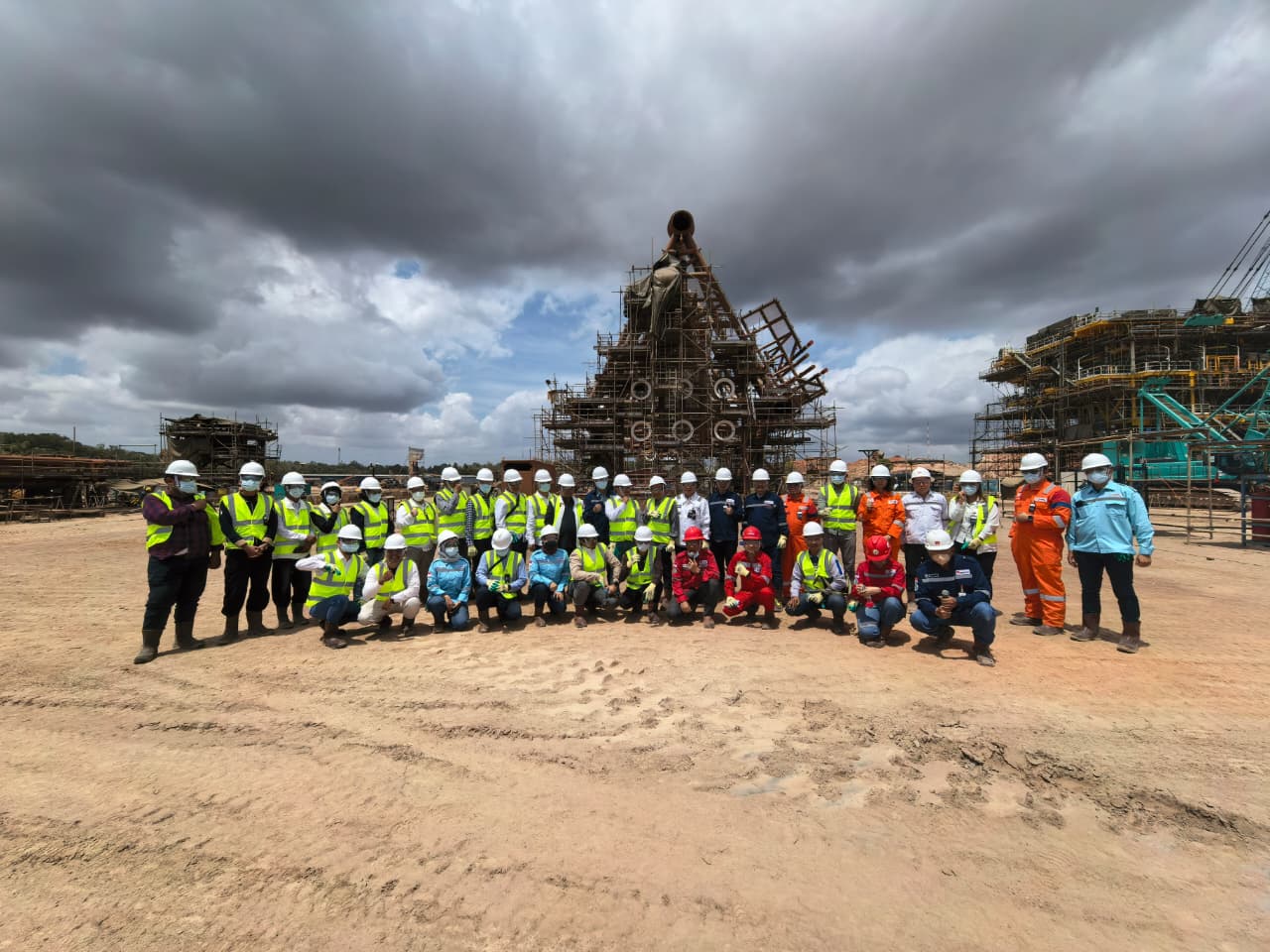
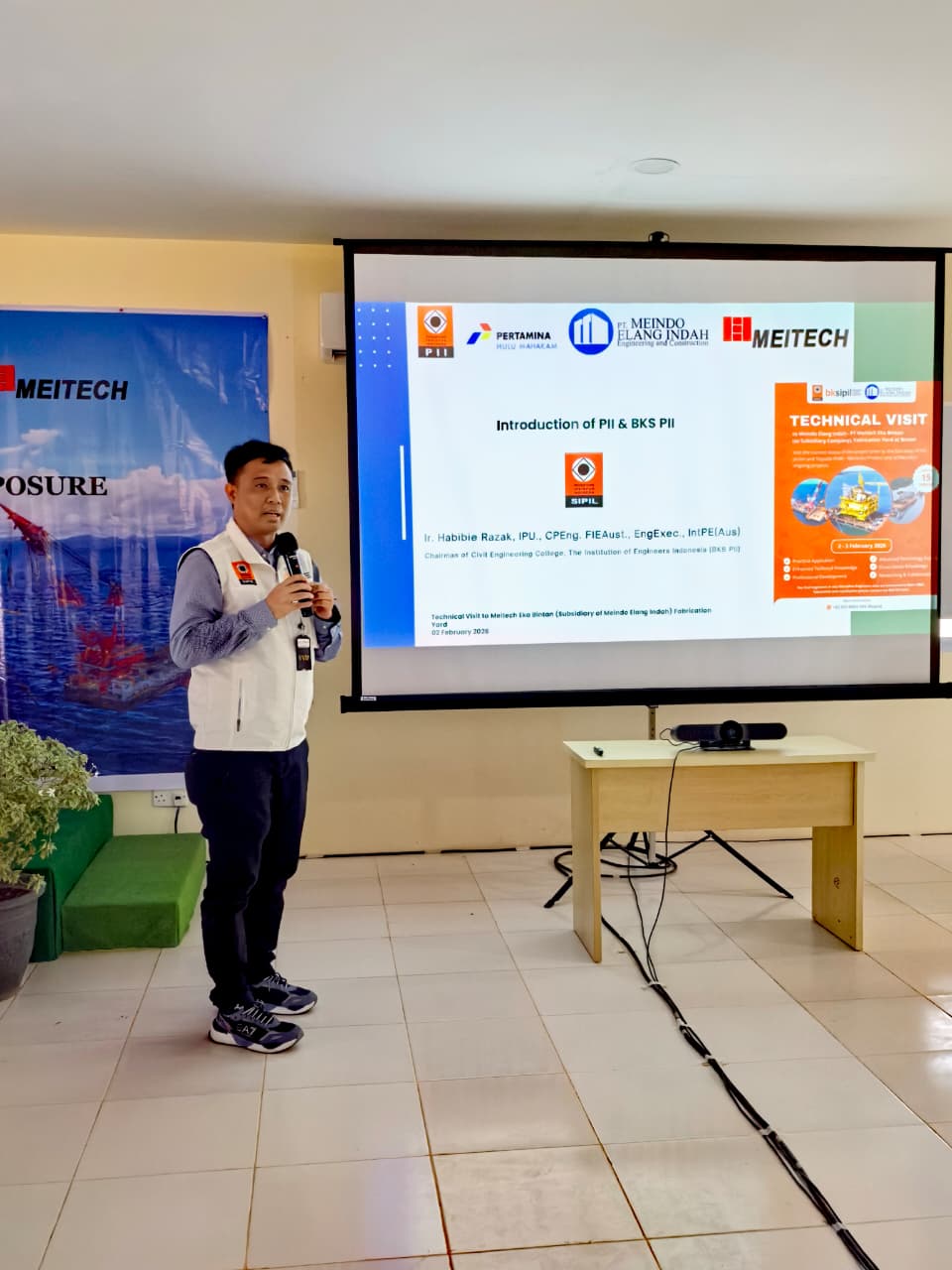
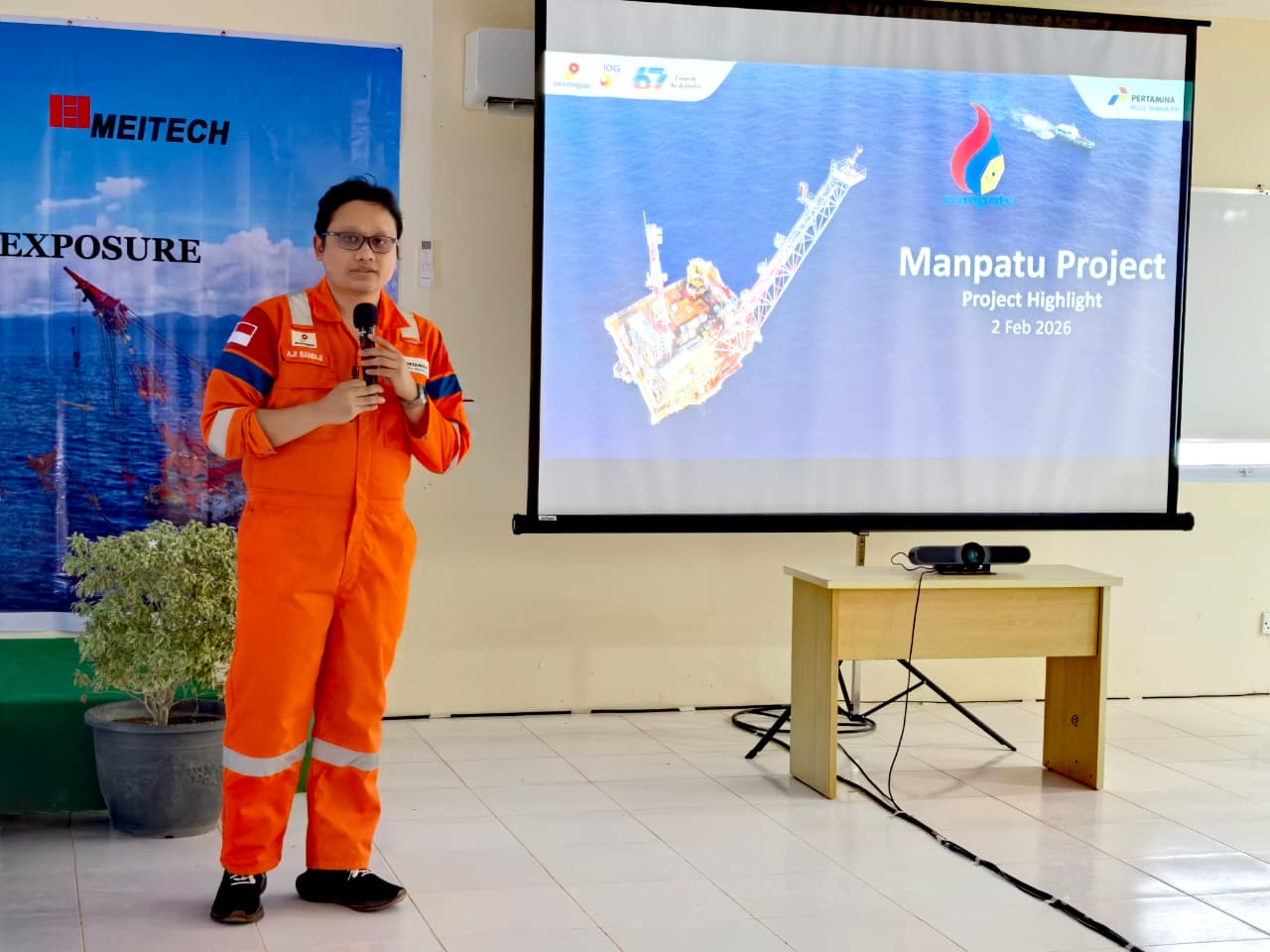
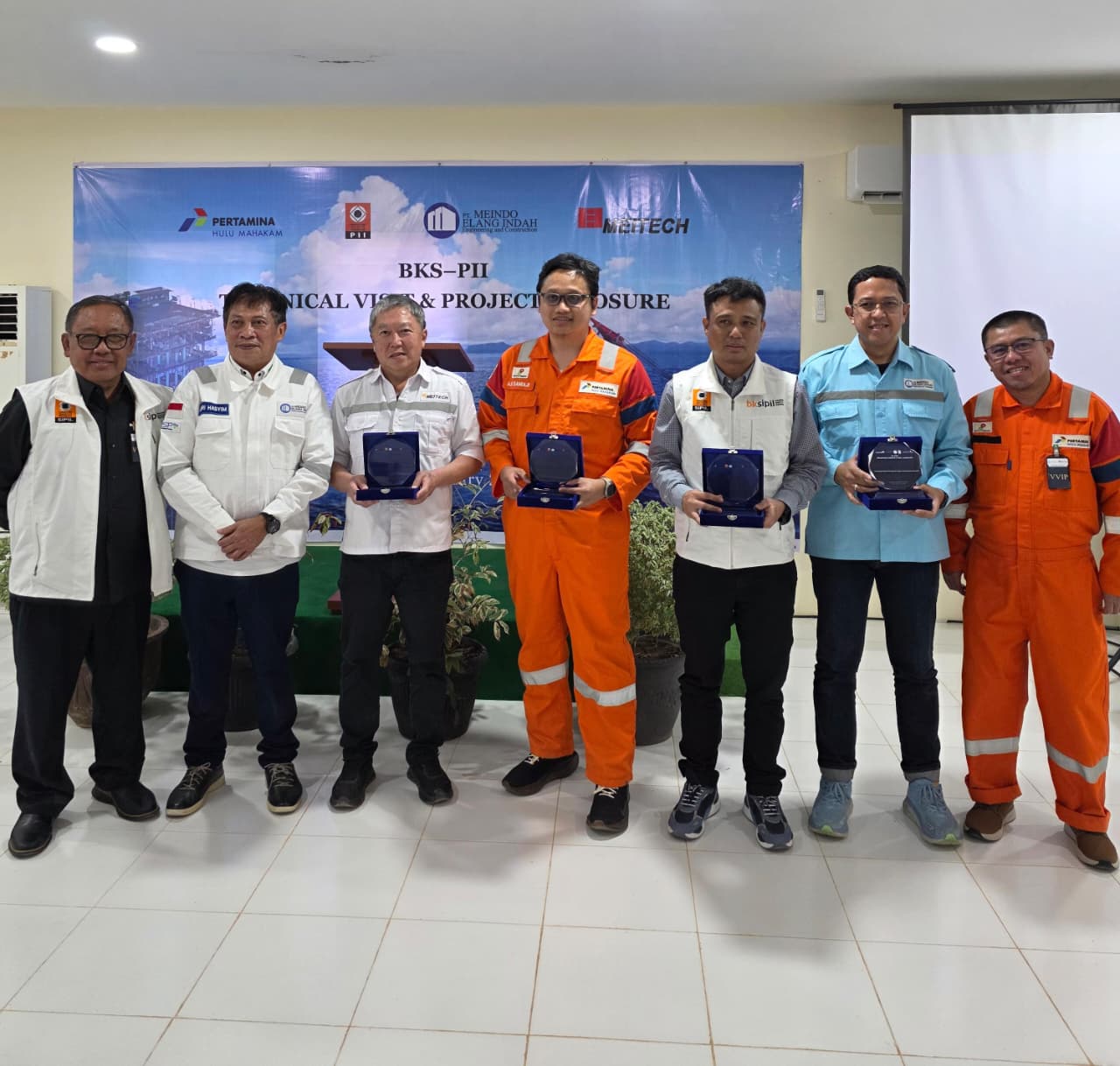
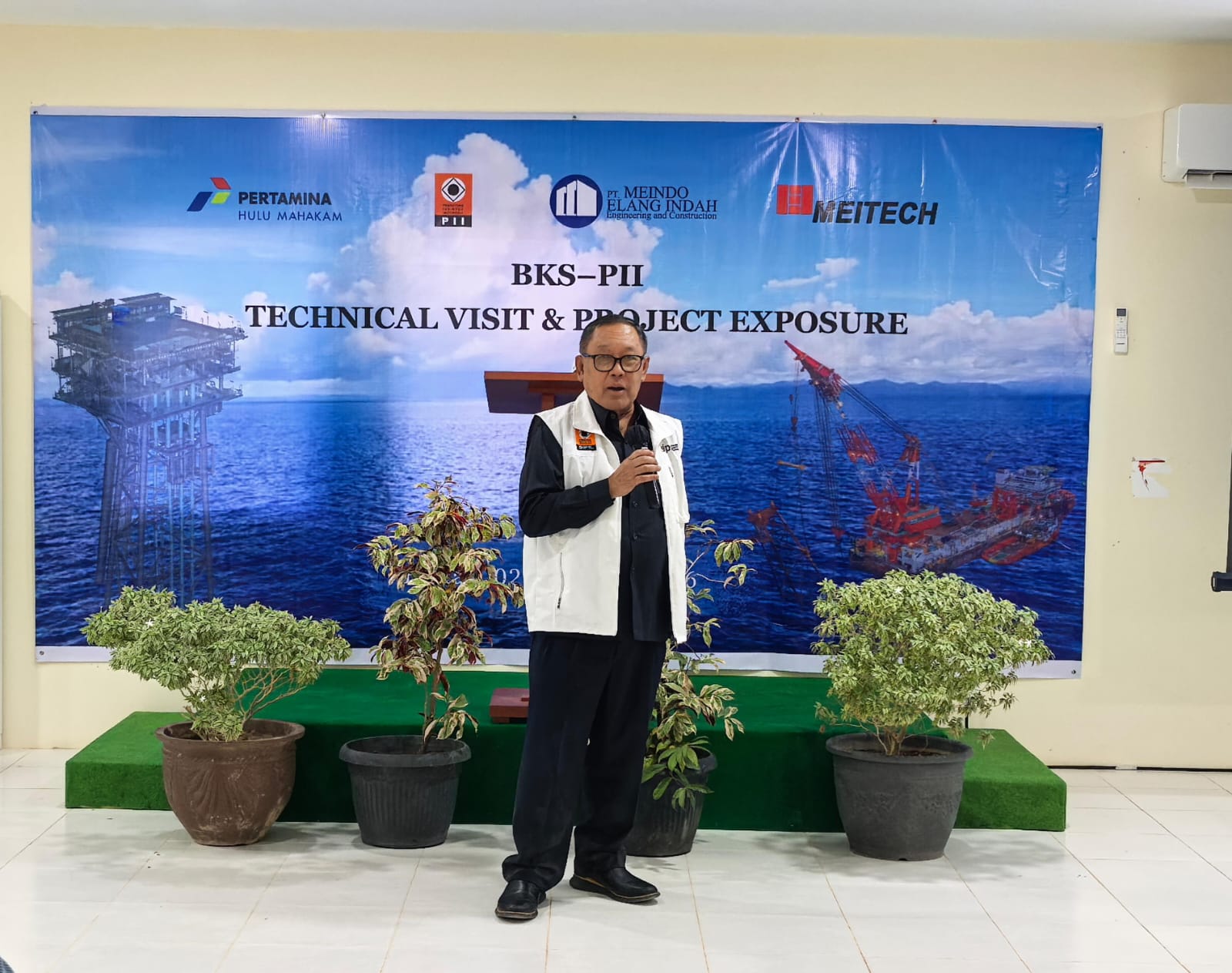
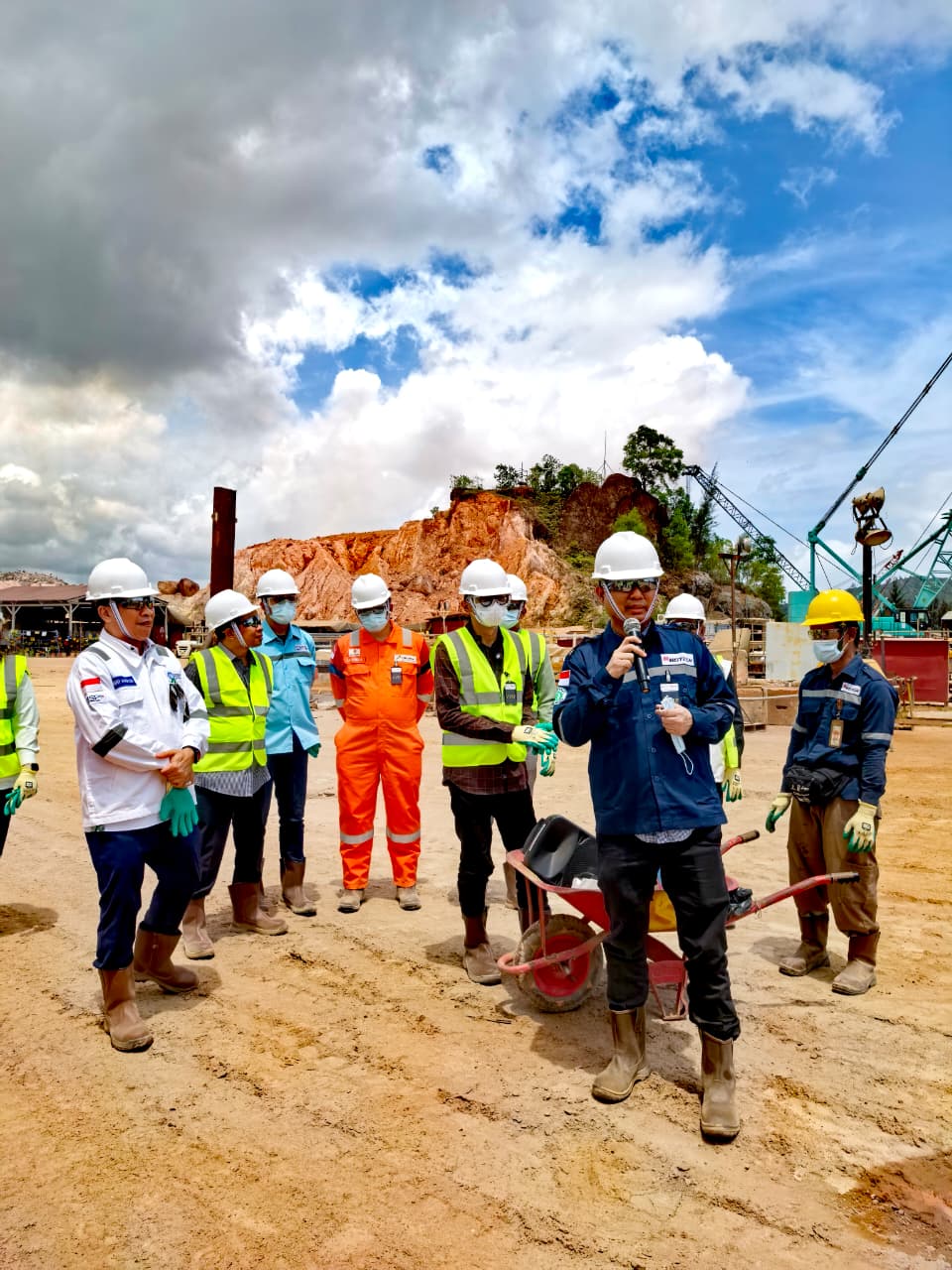
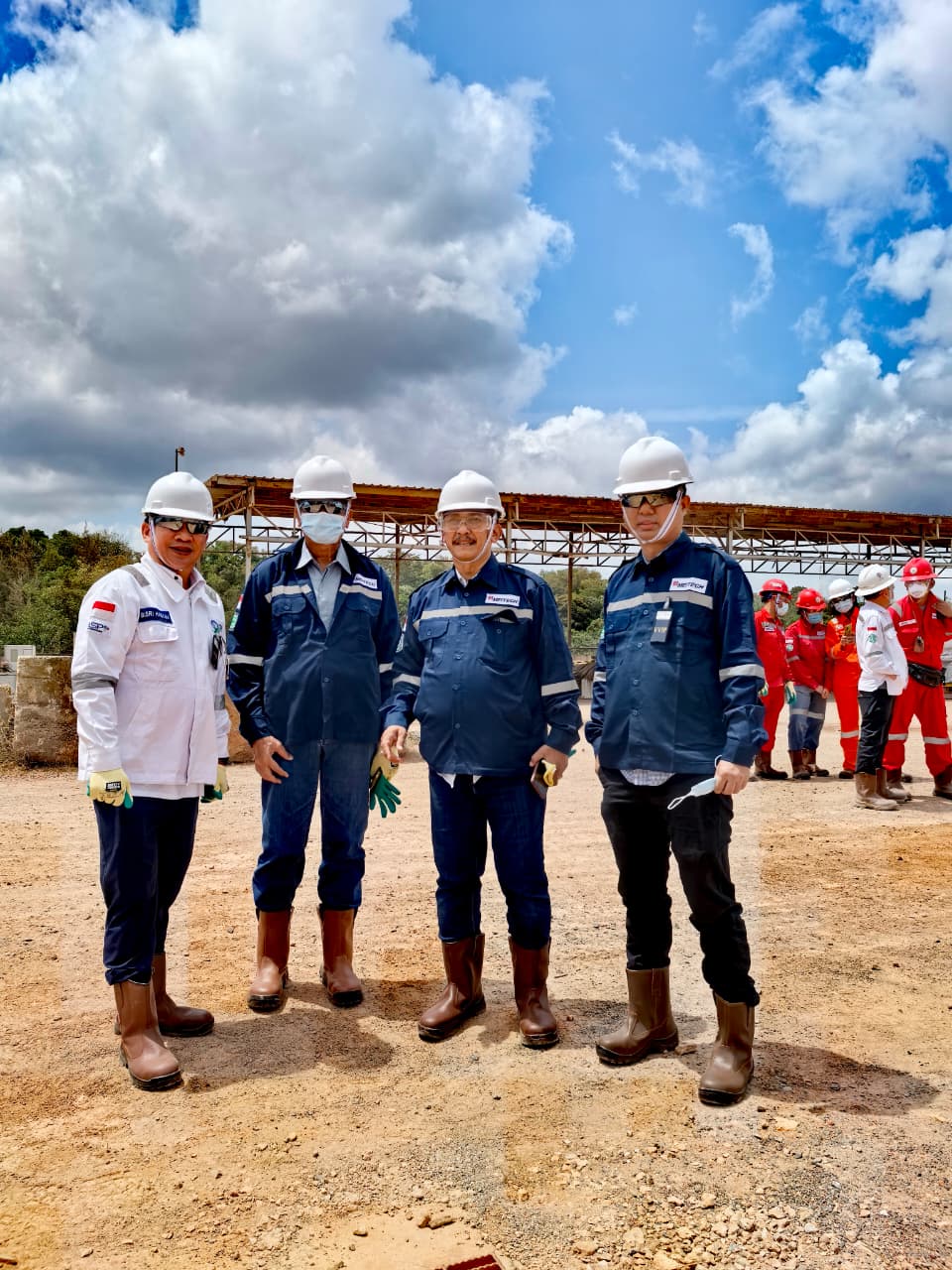
Badan Kejuruan Sipil Persatuan Insinyur Indonesia (BKS PII) kembali menggelar technical visit yang kali ini mengunjungi fabrication facility yang dioperasikan oleh PT Meitech Eka Bintan subsidiary of PT Meindo Elang Indah pada hari Senin, 2 Februari 2026.
Chief Business Development Meindo Elang Indah, Ir. Bisri Hasyim, IPU yang juga merupakan anggota Dewan Pakar BKS PII menyambut kedatangan 28 peserta technical visit di oil & gas fabrication facility Meitech di Pulau Bintan. “Kami dari Meindo/Meitech mendapatkan kehormatan menerima kunjungan delegasi dan peserta dari BK Sipil PII yang dipimpin langsung oleh Ketua BKS PII, Ir. Habibie Razak, IPU., FIEAust., EngExec., IntPE(Aus) dan semoga momentum technical visit and project exposure ini menjadi wadah untuk meningkatkan kompetensi keinsinyuran kita terkait fabrikasi dan instalasi proyek lepas pantai”.
Sementara Ir. Habibie Razak mengucapkan terima kasih sebesar-besarnya kepada tuan rumah, Bapak Bisri, Bapak William yang memberikan kepercayaan dan kesempatan kepada peserta technical visit dari BK Sipil PII dan juga sekaligus menyampaikan kebanggaan kepada Meindo Group yang merupakan 100 persen perusahaan nasional yang memiliki yard facility, armada untuk instalasi dan kemampuan keinsinyuran yang mempekerjakan ratusan insinyur Indonesia”.
Kunjungan fabrication yard ini juga disertai paparan proyek Manpatu milik Pertamina Hulu Mahakam yang dipresentasekan Ir. Rohadi Hendarsan, Project Manager Manpatu didampingi oleh Aji Samiaji Project Coordinator proyek ini. “Semoga proses sailing away dari yard ke lokasi instalasi dilancarkan, sesuai cita-cita kita bersama, Aamin” lanjut Bapak Rohadi.
Presentasi PII dan BKS PII dibawakan langsung oleh Ketua BK Sipil yang sebelumnya memberikan sambutan di acara technical visit dan project exposure ini. Ir. Habibie kembali menyampaikan “tugas tim BD sangatlah berat memastikan yard yang sudah berskala global ini untuk terus beroperasi dengan cara memenangkan proyek-proyek baru secara berkelanjutan, saya pun sebagai sales and BD di perusahaan sekarang, lebih baik pusing banyak pekerjaan daripada pusing karena tidak ada pekerjaan”.
Hadir pada technical visit ini Ir. Bambang Goeritno dan Dr Ir Gentur Prihantono, Dewan Pengarah, Wakil Ketua BK Sipil Dr. Ir. Aksan Kawanda dan Ir. Prastiwo Anggoro, Bendahara Dr. Ir. Andreas Pramudya, perwakilan dari perguruan tinggi lokal dan peserta yang berdomisili di Tanjung Pinang dan Batam.
Kunjungan teknis berikutnya adalah benchmarking Waste to Energy project yang sementara progress konstruksi di Hong Kong mengingat Pemerintah Indonesia memiliki program yang sama dengan rencana membangun fasilitas serupa di 33 kota besar seluruh Indonesia, ungkap Ir. Habibie yang juga saat ini berkarir di salah satu grup Temasek Singapore.
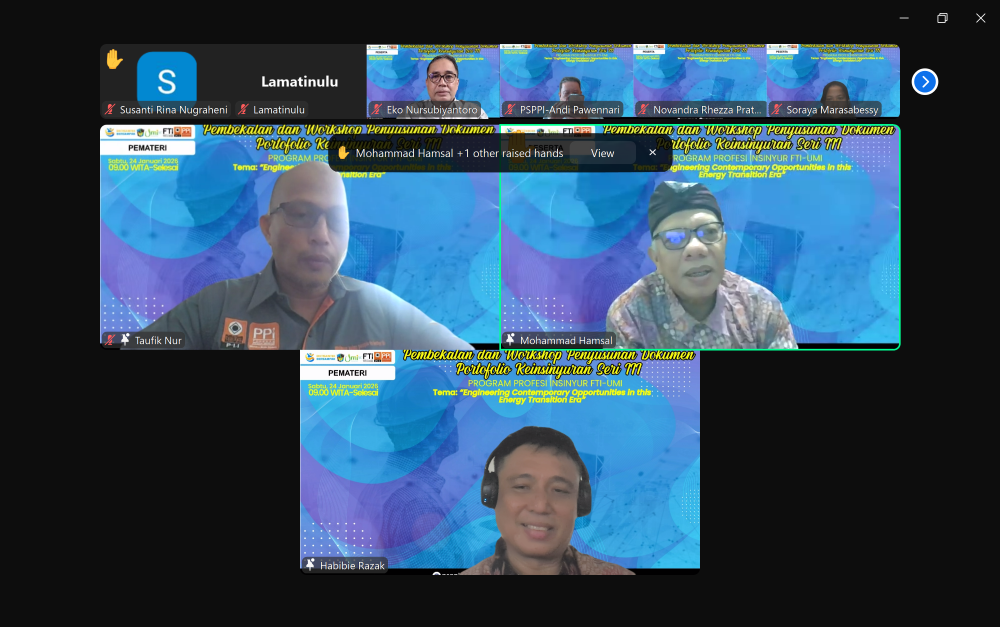
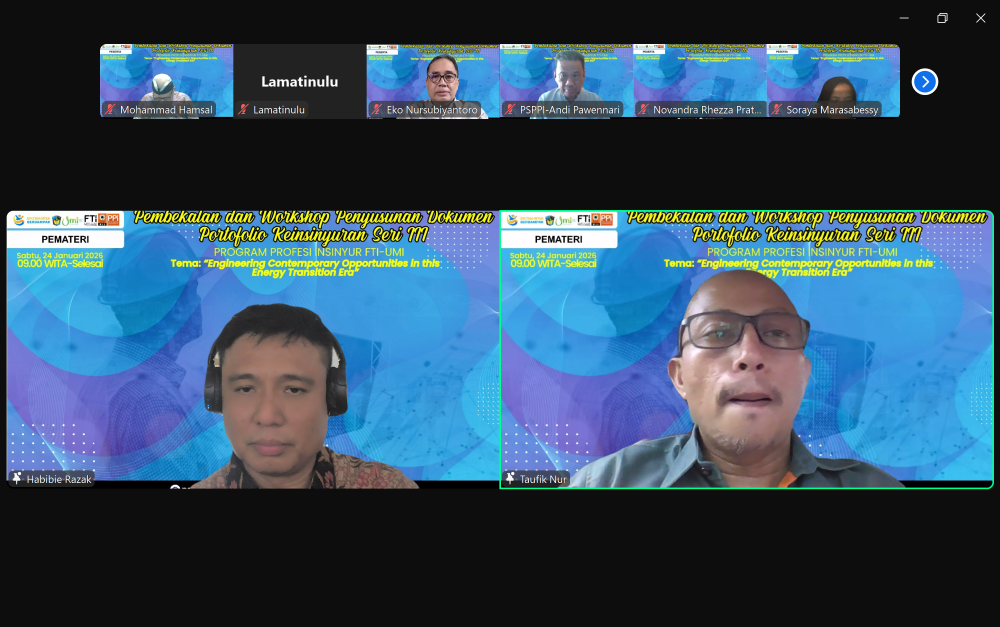
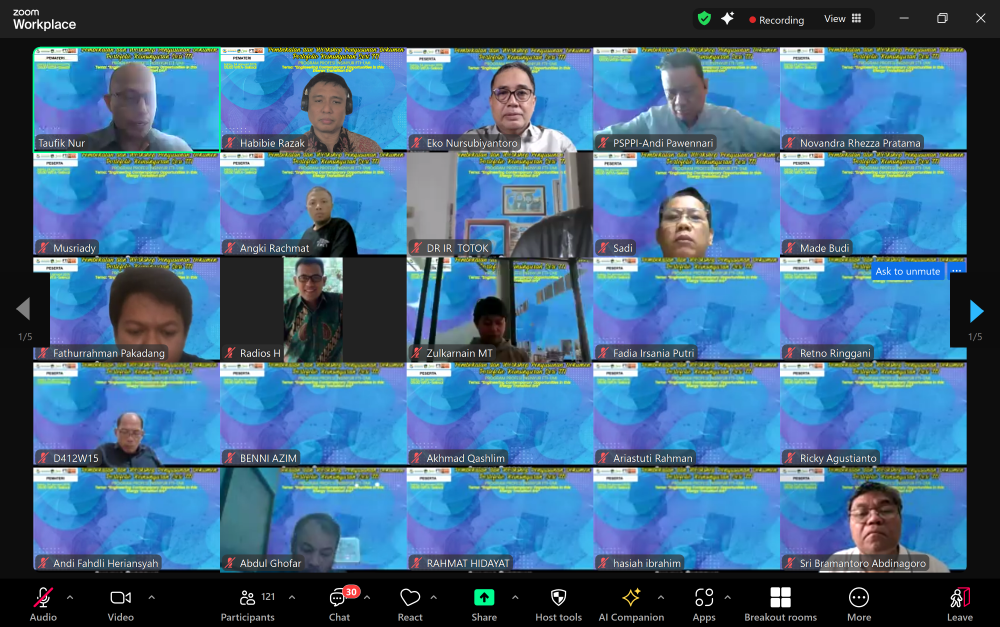
PROGRAM STUDI PROGRAM PROFESI INSINYUR FAKULTAS TEKNOLOGI INDUSTRI UNIVERSITAS MUSLIM INDONESIA kembali menyelenggarakan Webinar “KULIAH UMUM, PEMBEKALAN DAN WORKSHOP PENYUSUNAN DOKUMEN PORTOFOLIO KEINSINYURAN”
Kegiatan ini menghadirkan Prof. Ir. Sugiono, S.T., M.T., Ph.D. (Kepala Subdirektorat Kawasan Sains dan Teknologi (KST) – UB), Ir. Habibie Razak, IPU., FIEAust., EngExec., CPEng., APEC Eng., IntPE(Aus) – Regional Director (Energy), Indonesia & ASEAN, Surbana Jurong Group yang juga adalah Ketua BK Sipil Persatuan Insinyur Indonesia (BKS PII) dan Dr. Ir. Taufik Nur, S.T., M.T,. IPU., ASEAN Eng., CSCA, CSSCP., APEC Eng. (Sekretaris Program Studi Program Profesi Insinyur FTI-UMI).
Tema kuliah umum kali ini adalah “Engineering Contemporary Opportunities In this Energy Transition Era” dibawakan oleh Ir. Habibie Razak yang berlangsung Sabtu pagi, 24 JANUARI 2026, Pukul 09.00-12.00 WITA (Waktu Makassar).
Ir. Habibie Razak dalam paparannya kembali mengingatkan bahwa praktik keinsinyuran profesional selalu bertumpu pada 3 elemen penting yakni Etika, Pengetahuan dan Pengalaman, ketiga-tiganya haruslah jalan beriringan agar kita para Insinyur dan Insinyur Profesional bisa terhindar dari kasus-kasus malpraktik keinsinyuran seperti kasus runtuhnya Jembatan Quebec di Canada di tahun 1907 dan kasus meledaknya jalur pipa gas di Massachussets, Amerika di tahun 2018 yang bukan hanya menelan kerugian material tapi juga korban jiwa pada pekerja konstruksi maupun masyarakat umum.
Ir. Habibie menjelaskan perbedaan mendasar antara praktik profesi keinsinyuran dan praktik profesi kedokteran “Sarjana Kedokteran baru bisa melakukan praktik kedokteran secara mandiri setelah mengikuti program koas (co-assistant) selama 1,5 – 2 tahun sedangkan Seorang Insinyur baru bisa menyelenggarakan praktik keinsinyuran secara mandiri setelah menyandang predikat sebagai Insinyur Profesional Madya (IPM). Jenjangnya jelas untuk bisa praktik keinsinyuran secara mandiri, setelah ikut program profesi insinyur baru kemudian ikut program sertifikasi Insinyur Profesional, mendapatkan gelar Insinyur Profesional Madya (IPM) dan STRI (Madya)” papar Ir. Habibie.
Di slides utama Ir. Habibie, Beliau menjelaskan ada 4 subsektor utama yang merupakan bagian dari sektor energi antara lain: Renewable Energy (Solar, Wind, Geothermal, Hydro, others), Energy Transition (BESS, EV Ecosystem, Supergrid, Industrial Transformation, Data Centre, CCS), Fuels (Bio-energy, WTE, Upstream Oil & Gas, Refinery, Petrochemicals, Mining, Smelters & Mineral Downstreaming) dan Power & Gas (incl. LNG terminals, T&D). Sektor energi ini sangat multidisiplin dan menuntut Insinyur Indonesia untuk memiliki kompetensi interdisipilin. “Semisal, saya sebagai Insinyur Sipil juga harus mampu memiliki kompetensi bidang keinsinyuran lainnya seperti mekanikal, elektro, instrumen and kontrol sehingga saya bisa menjalankan peran saya sebagai project manager pada proyek-proyek sektor energi ini” lanjut Habibie.
Beberapa contoh proyek energi yang menjadi primadona yang diminati oleh Insinyur di dunia termasuk Indonesia saat ini antara lain proyek PLTS Terapung, proyek Data Centre, Proyek Hilirisasi Mineral, Carbon Management dan banyak lagi.
Sesi Kuliah Umum ini dibuka oleh Dekan Fakultas Teknologi Industri Universitas Muslim Indonesia (FTI UMI), Prof Dr. Ir. Lamatinulu, IPU., ASEAN Eng dan dimoderasi oleh Sekretaris PSPPI FTI UMI yang juga saat ini sebagai Ketua Forum Komunikasi Penyelenggara Program Profesi Insinyur se-Indonesia, Dr. Ir. Taufik Nur, IPU., APEC Eng., ASEAN Eng.
Program Kerja Sama Ekonomi (Katalis) sebagai dari Perjanjian Kemitraan Ekonomi Komprehensif Indonesia-Australia (IA-CEPA) telah menjadi landasan kemitraan ekonomi antara Indonesia dan Australia sejak tahun 2020. Selama lima tahun pelaksanaan Katalis Fase 1, program ini telah bekerja sama erat dengan banyak kementerian dan lembaga Pemerintah Indonesia untuk membuka manfaat IA-CEPA, mendorong reformasi, dan memfasilitasi investasi di sektor-sektor utama. Menjelang berakhirnya Katalis Fase 1, acara ini berfungsi sebagai upacara penutupan formal dan strategis bagi para pemangku kepentingan utama Pemerintah Indonesia yang telah menjadi bagian integral dari keberhasilannya.

Acara ini melanjutkan Program Showcase yang lebih luas pada bulan Agustus 2025 dengan menyediakan platform refleksi yang lebih terfokus dan berorientasi kebijakan.

Acara closing phase 1 (2020 - 2025) yang berlangsung Tanggal 3 Desember di Hotel Borobudur Jakarta  dibuka oleh sambutan-sambutan dan juga laporan dari kementerian BAPPENAS diwakili oleh Bapak Eka Chandra Buana (Deputy Minister for Macro Development Planning, Ministry of National Development Planning/BAPPENAS) dan Perwakilan Kedubes Australia, Bapak Jonathan Gilbert Minister Counsellor/Head of Economic, Investment and Infrastructure, Australian Embassy di Jakarta dilanjutkan laporan program Katalis yang diselenggarakan 5 tahun terakhir oleh Bapak Paul Bartlett, Director, Katalis.

Acara kemudian dilanjutkan dengan sesi panel discussion menghadirkan beberapa panelist dari Katalis, BAPPENAS dan perwakilan dari beberapa Beneficiary di antaranya adalah Persatuan Insinyur Indonesia (PII). PII yang diwakili oleh Ir. Habibie Razak yang saat ini adalah anggota dari APEC Engineers Indonesia Monitoring Committee dan Ketua Badan Kejuruan Sipil Persatuan Insinyur Indonesia (PII) menceritakan bagaimana Katalis menjembatani PII dan Engineers Australia (EA) untuk bisa menyepakati MRA on Professional Engineers.

"Pada Q3-2022, IA-CEPA ECP Katalis memulai dan menjembatani diskusi antara PII & EA mengenai penyusunan MRA tentang Insinyur Profesional. Melalui beberapa pertemuan daring, draft MRA tersebut dikembangkan lebih lanjut dan dilanjutkan dengan pertemuan luring pada Maret 2023 di Kantor EA di Canberra untuk penyempurnaan. Akhirnya, pada tanggal 30 Juni 2023 di Kedutaan Besar Indonesia untuk Australia di Canberra, Presiden PII dan perwakilan EA menandatangani MRA untuk Insinyur disaksikan oleh perwakilan kedua negara, Y.M. Dr. Siswo, Duta Besar Indonesia untuk Australia dan Bapak Arjuna, perwakilan DFAT, Australia. Saat ini, kami memiliki lebih dari 25 Insinyur Indonesia yang terdaftar sebagai CPEng dan sebagian besar dari mereka bekerja di luar negeri seperti Australia, PNG, dan negara-negara lain di mana terdapat investasi Australia" lanjut Ir. Habibie yang juga berkarir sebagai Direktur Regional (Energi) di salah satu perusahaan Australia terkemuka, SMEC International Pty Ltd.

Beneficiary lainnya adalah terkait profesi Nurse yang diwakili oleh Prof. Achir Yani Hamid dari Universitas Indonesia, perwakilan dari Onuka Chocolate, CEO Charged, dan beberapa lainnya.

Sesi diskusi market access dimoderasi oleh Ibu Laksmi Kusumawati, Director, Downstream Planning and International Economic Cooperation, BAPPENAS menghadirkan 3 panelis, Moekti P. Soejahmoen, Ir. Habibie Razak dan Prof. Achir.